 Bahasa Inggris
 Bahasa Indonesia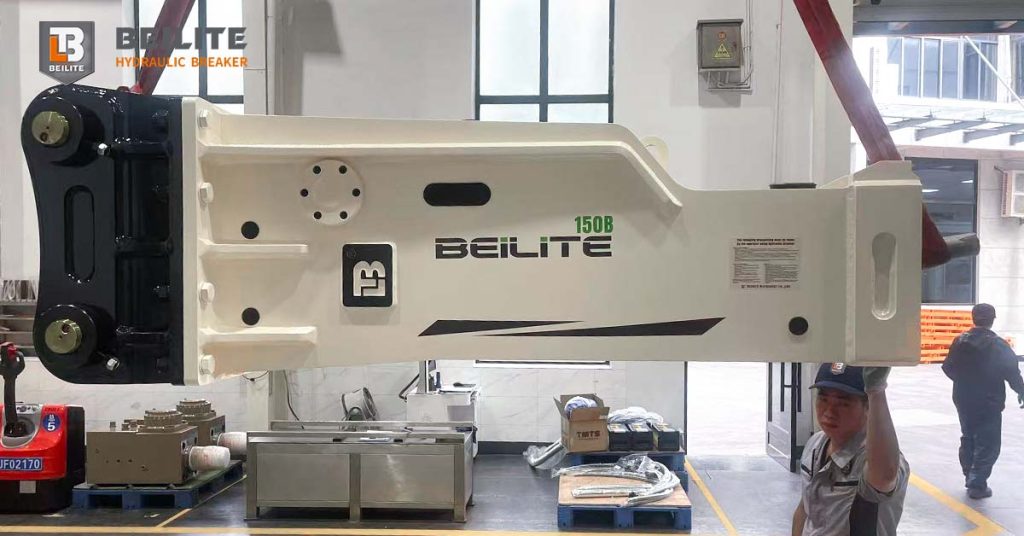
Sektor konstruksi dan pertambangan di Indonesia berkembang pesat. Mulai dari pembangunan jalan dan perumahan perkotaan hingga proyek penggalian dan pertambangan, ekskavator kini menjadi pemandangan umum di lokasi kerja di seluruh negeri. Namun, banyak operator dan kontraktor di Indonesia menghadapi masalah yang sudah tidak asing lagi: alat gali-muat standar sering kali tidak cukup untuk menangani kondisi tanah yang sulit di wilayah ini.
Pada banyak proyek, bucket excavator bekerja dengan baik untuk tanah, pasir, atau material lepas. Namun, begitu operator menemukan lapisan batuan, batu kapur koral, atau tanah yang dipadatkan, produktivitas bisa turun drastis. Dalam situasi ini, attachment seperti pemutus hidrolik (palu hidrolik) menjadi alat bantu penting yang membantu kontraktor menyelesaikan proyek secara efisien.
Artikel ini membahas tantangan nyata yang dihadapi operator Indonesia selama penggalian dan mengapa hydraulic breaker sering kali menjadi solusi praktis.
Realitas Penggalian di Indonesia
Kondisi geologi Indonesia sangat bervariasi dari satu daerah ke daerah lainnya. Di banyak daerah pesisir dan pegunungan, proyek konstruksi menghadapi formasi batuan keras seperti batu kapur koral, yang jauh lebih sulit untuk digali daripada tanah biasa.
Sebagai contoh, batu kapur koral yang biasa ditemukan di daerah seperti Bali memiliki kekuatan tekan antara 20-60 MPa, sehingga menyulitkan backhoe standar untuk memindahkannya secara efisien.
Karena itu, kecepatan penggalian dapat menurun secara signifikan. Kontraktor melaporkan bahwa penggalian batu hanya dapat berjalan dengan kecepatan 3-8 meter kubik per hari, dibandingkan dengan 25-40 meter kubik untuk penggalian tanah biasa.
Perbedaan ini memiliki konsekuensi serius terhadap jadwal proyek. Tanpa perencanaan yang tepat peralatan penggalian, operator dapat menghabiskan waktu berhari-hari untuk memecahkan batu dengan bucket standar, sehingga meningkatkan konsumsi bahan bakar, keausan alat berat, dan biaya tenaga kerja.
Mengapa Bucket Excavator Standar Tidak Selalu Cukup?
Excavator dirancang terutama untuk penggalian dan penanganan material, bukan untuk memecahkan batuan keras. Ketika operator mencoba menggunakan bucket untuk memindahkan lapisan batuan, beberapa masalah muncul:
- Produktivitas rendah - Ember tidak dapat menembus batuan padat secara efektif.
- Peningkatan keausan mesin - Gigi, adaptor, dan tepi bucket cepat aus.
- Konsumsi bahan bakar yang lebih tinggi - Mesin harus bekerja lebih keras untuk memecah material yang padat.
- Kelelahan operator - Upaya berulang kali untuk memecahkan batu memperlambat pekerjaan dan meningkatkan stres.
Dalam banyak proyek di Indonesia, terutama dalam konstruksi jalan, penggalian, dan penggalian pondasi, kontraktor akhirnya menyadari bahwa excavator saja tidak dapat menyelesaikan masalah.
Di sinilah pemutus hidrolik berperan.
Solusi Praktis Pemecah Hidraulik
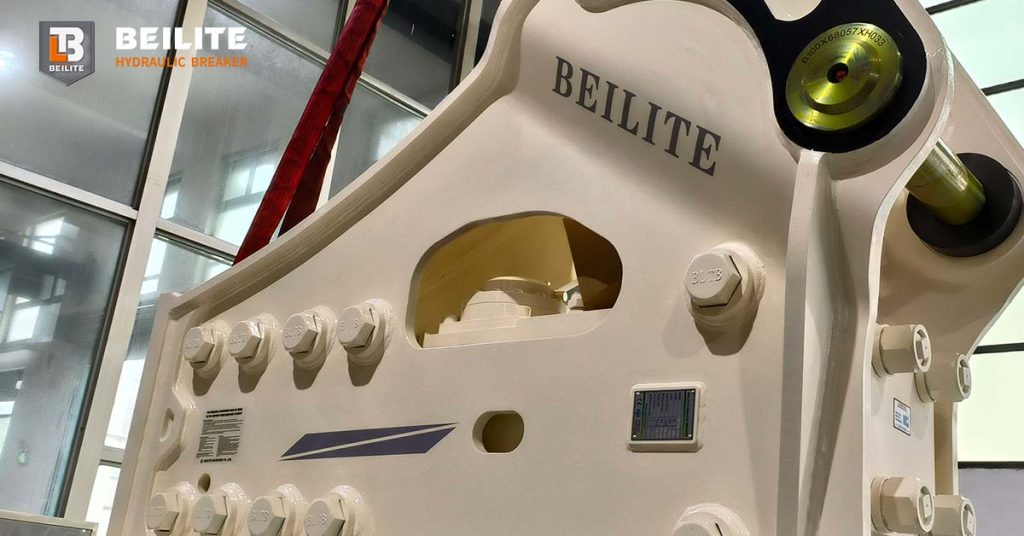
Pemutus hidrolik, juga dikenal sebagai palu hidraulik, adalah alat tambahan yang dipasang pada ekskavator yang menghasilkan energi benturan tinggi untuk memecahkan batu, beton, atau aspal.
Alih-alih menggali di sekitar formasi batuan, operator dapat langsung memecah material menjadi potongan-potongan yang lebih kecil, sehingga lebih mudah untuk dipindahkan dengan bucket excavator setelahnya.
Pemutus hidrolik biasanya digunakan untuk:
- Memecah lapisan batuan sebelum penggalian
- Pembongkaran struktur beton
- Konstruksi jalan dan pengangkatan aspal
- Operasi tambang
- Persiapan fondasi
Banyak excavator modern yang dirancang untuk mendukung attachment seperti pemutus hidrolik melalui sirkuit hidraulik tambahan, sehingga kontraktor dapat mengganti alat sesuai dengan tugasnya.
Fleksibilitas ini membantu operator mempertahankan produktivitas bahkan ketika kondisi lapangan berubah secara tidak terduga.
Meningkatkan Produktivitas di Lokasi Konstruksi Indonesia
Bagi kontraktor yang bekerja di Indonesia, produktivitas sering kali bergantung pada pemilihan attachment yang tepat untuk pekerjaan tersebut.
Ketika operator menemukan batuan keras atau batu kapur selama penggalian, menggunakan pemecah hidraulik dapat memberikan beberapa keuntungan:
- Fragmentasi batuan yang lebih cepat
- Tekanan peralatan yang lebih rendah dibandingkan dengan memaksa ember ke dalam batu
- Mengurangi penundaan proyek
- Peningkatan efisiensi bahan bakar
Pada proyek infrastruktur besar, menggabungkan beberapa alat berat-seperti ekskavator, hydraulic breaker, dan dump truck-telah terbukti secara signifikan meningkatkan produktivitas dan alur kerja.
Dengan kata lain, tujuannya bukan untuk mengganti excavator, melainkan untuk melengkapinya dengan alat yang tepat untuk kondisi tanah yang berbeda.
Pentingnya Pelatihan Operator
Tantangan lain di sektor konstruksi Indonesia adalah kurangnya operator peralatan yang terampil, terutama untuk alat berat yang canggih.
Pemutus hidraulik memerlukan teknik pengoperasian yang tepat. Jika digunakan secara tidak benar-seperti menembak kosong atau memberikan tekanan samping-attachment dapat cepat aus.
Operator yang berpengalaman memahami hal itu:
- Palu harus tetap tegak lurus dengan permukaan batu
- Pemutus tidak boleh digunakan sebagai alat pengungkit
- Pelumasan dan pemeriksaan rutin sangat penting
Dengan pelatihan dan perawatan yang tepat, pemutus hidraulik dapat memperpanjang usia alat berat secara signifikan dan meningkatkan efisiensi lokasi kerja.
Ringkasan
Penggalian di Indonesia jarang sekali mudah. Lapisan batuan keras, formasi batu kapur, dan kondisi tanah yang tidak dapat diprediksi sering memperlambat proyek dan meningkatkan biaya.
Meskipun ekskavator tetap menjadi tulang punggung pekerjaan konstruksi, namun mereka tidak selalu dapat menangani penggalian batuan sendirian. Pemecah hidraulik memberikan solusi yang praktis dan efisien, sehingga operator dapat memecah material yang keras dan mempertahankan produktivitas.
Bagi kontraktor Indonesia yang ingin menyelesaikan proyek dengan lebih cepat dan lebih aman, melengkapi excavator dengan attachment yang tepat, terutama hydraulic breaker dapat membuat perbedaan besar di lokasi kerja.
Pertanyaan Umum
1. Mengapa banyak lokasi konstruksi di Indonesia menggunakan hydraulic breaker dengan excavator?
Karena banyak proyek yang menghadapi lapisan batuan keras atau batu kapur yang tidak dapat disingkirkan oleh bucket excavator standar secara efisien. Pemecah hidraulik memecah batuan menjadi potongan-potongan kecil sehingga excavator dapat dengan mudah memindahkannya.
2. Kapan kontraktor harus memilih pemutus hidraulik daripada bucket?
Pemecah hidraulik harus digunakan jika tanah mengandung batuan padat, beton bertulang, atau material yang dipadatkan yang tidak dapat digali secara efisien hanya dengan menggunakan bucket.
Beilite Machinery Co, Ltd.
40008-40008
info@beilite.com