 English
 Indonesian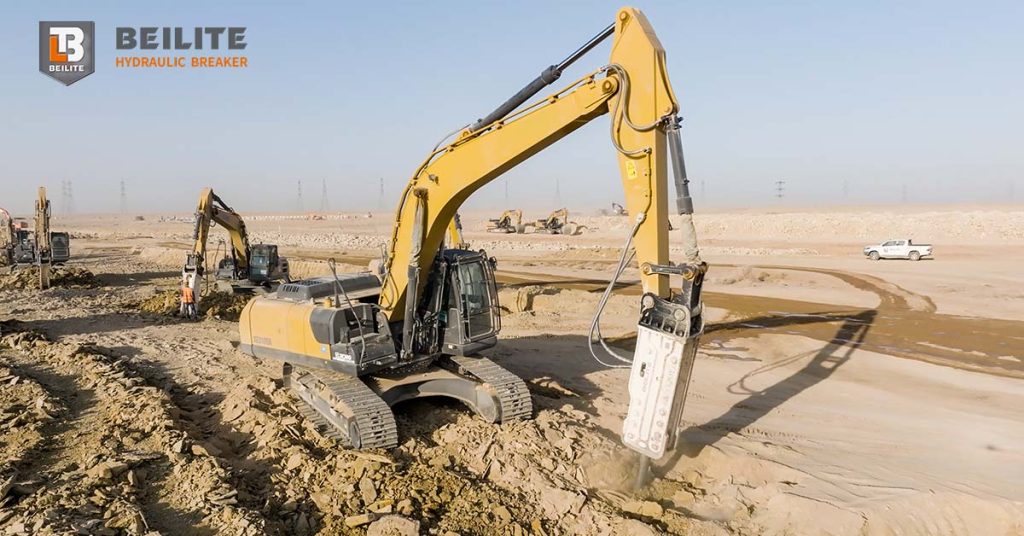
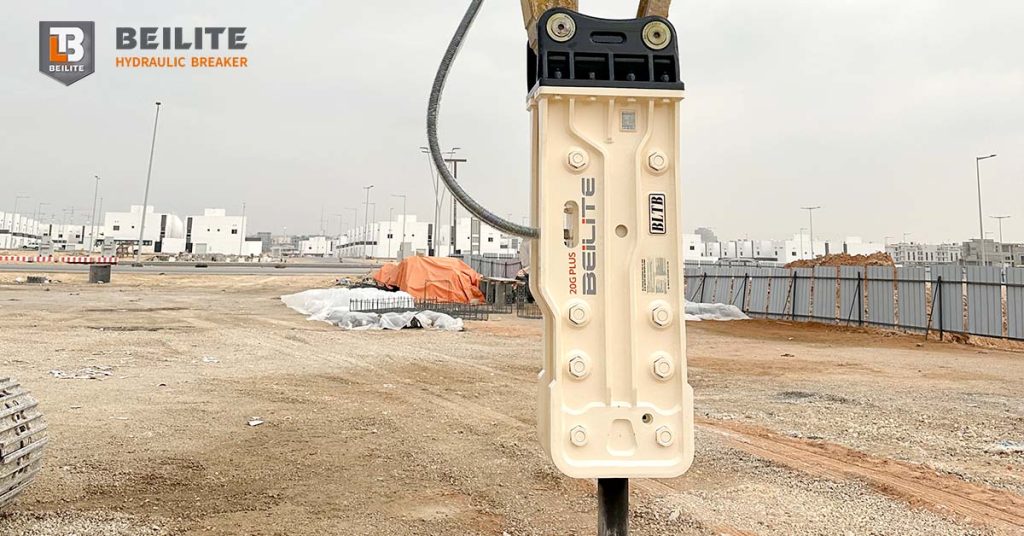
Breaking cement clinker is a critical part of processing and construction work. Cement clinkers are dense, hard, and abrasive, making them difficult to break using conventional tools. That’s why many contractors and plant managers turn to heavy-duty hydraulic breakers powerful attachments that deliver repeated impact force to fracture even the toughest materials. In this article, we explore the top five benefits of using a heavy-duty hydraulic breaker specifically for cement clinker breaking, and how these tools can improve productivity, reduce costs, and enhance safety on site.
1. High Impact Power Hydraulic Breakers for Tough Materials
Cement clinker is formed through intense heat and pressure during the cement production process, resulting in a highly durable and hard material. Traditional tools like jackhammers or manual chisels often struggle to penetrate clinker efficiently. Heavy-duty hydraulic breakers, on the other hand, deliver exceptionally high impact energy, making them ideal for breaking up clinker into smaller, manageable pieces.
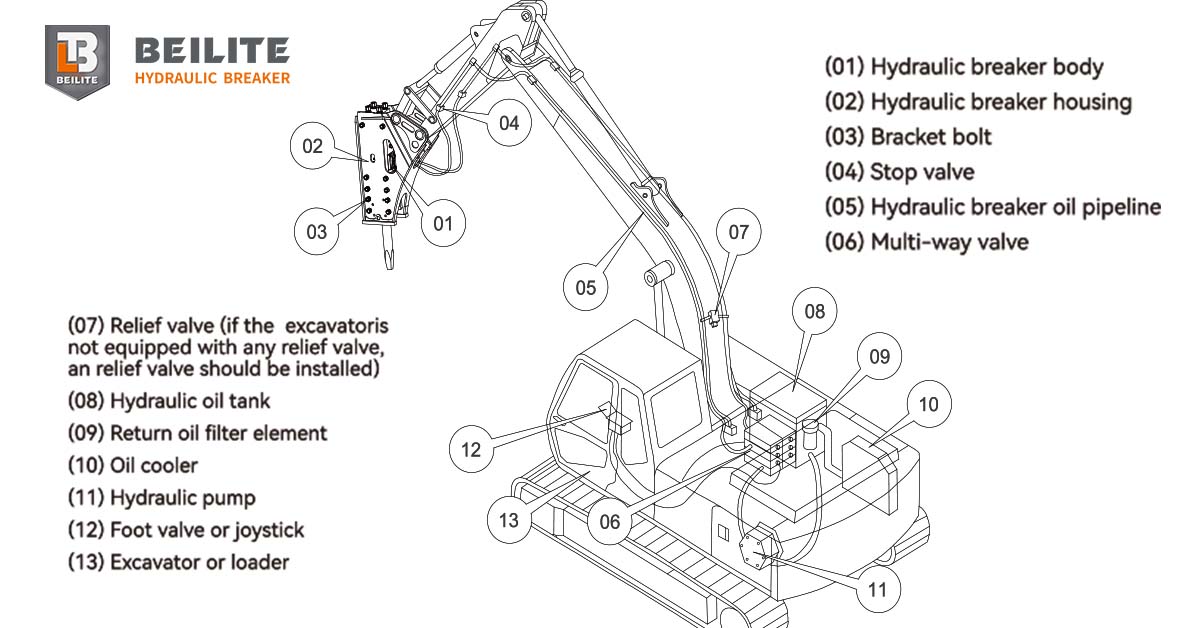
Hydraulic breakers convert hydraulic power from carrier machines such as excavators, skid steers, or backhoe loaders into repeated concentrated blows. This high impact force quickly fractures clinker, dramatically improving work speed compared to manual or lighter mechanical tools.
2. Improved Hydraulic Breakers for Operational Efficiency
One of the greatest benefits of using a heavy-duty hydraulic breaker for cement clinker breaking is operational efficiency. With powerful impact force and high blow frequency, hydraulic breakers can complete heavy breaking tasks much faster than handheld breakers or pneumatic tools. This efficiency translates directly into shorter project timelines and reduced labor costs.
For industries that need to process or dispose of clinker regularly such as cement plants, recycling facilities, or construction sites this time savings is significant. Instead of spending hours on manual breaking, crews can rely on hydraulic breakers to complete the work in a fraction of the time, freeing up resources for other tasks.
3. Hydraulic Breaker Versatility Across Carrier Machines
Heavy-duty hydraulic breakers are not limited to one type of machine. They are designed to be compatible with a wide range of carriers, including:
- Excavators
- Skid steer loaders
- Backhoe loaders
- Compact track loaders
- Wheel loaders
This versatility makes them a cost-effective solution for organizations with diverse equipment fleets. Whether you are working in confined spaces with a skid steer or tackling large clinkers with a heavy excavator, there is a hydraulic breaker model matched to the machine size and hydraulic output. Because of this broad compatibility, hydraulic breakers are often used across multiple applications in addition to clinker breaking, such as demolition, trenching, and rock breaking further enhancing return on investment.
4. Hydraulic Breakers Reduce Wear and Maintenance Costs
Heavy-duty hydraulic breakers are engineered to withstand demanding conditions. Quality rock breakers are built with reinforced housings, durable internal components, and wear-resistant tool steel, which means they hold up well under the constant impact forces required for tough materials like cement clinker.
Their solid construction reduces the likelihood of frequent breakdowns and expensive repairs. Additionally, routine maintenance of hydraulic breakers such as greasing, seal inspection, and tool bit replacement is generally straightforward compared to the downtime and costs associated with repairing or replacing less robust tools.
Over time, the reduced wear and lower maintenance requirements contribute to a lower total cost of ownership, making hydraulic breakers a wise long-term investment.
5. Choose Enhanced Safety and Operator Comfort Hydraulic Breakers
Breaking hard materials manually can be physically draining and increase the risk of injury. Heavy-duty hydraulic breakers help improve worksite safety by reducing manual labor and minimizing operator exposure to strain and vibration. Many modern breakers are designed with low-vibration technology, which not only protects machine components but also enhances operator comfort during prolonged use.
Furthermore, when mounted on a properly sized carrier machine, hydraulic breakers allow operators to maintain a safe distance from falling debris and uneven surfaces, lowering the risk of accidents. Enhanced operator control, coupled with planned maintenance routines, contributes to a safer jobsite environment overall.
Choosing the Right Hydraulic Breaker for Clinker Breaking
To fully realize these benefits, it’s important to select a hydraulic breaker that is matched to your machine’s hydraulic flow and operating pressure. Always work with a trusted supplier to confirm compatibility and verify that the breaker’s impact energy and blow frequency are suitable for your specific clinker size and hardness.
Proper training, routine maintenance, and the use of quality wear parts will further extend the service life of your breaker and ensure consistent performance.
Keywords:
heavy-duty hydraulic breakers powerful attachments, heavy-duty hydraulic breaker for cement clinker breaking, hydraulic breakers, rock breaker
Frequently Asked Questions (FAQs)
1. What size hydraulic breaker do I need for cement clinker breaking?
The right size depends on your carrier machine’s operating weight, hydraulic flow, and pressure. Larger machines with higher hydraulics are better suited for heavy-duty breakers with high impact energy, while medium breakers work well for smaller clinkers or precision tasks.
2. How does a hydraulic breaker compare to a pneumatic breaker for clinker breaking?
Hydraulic breakers deliver more impact energy, higher efficiency, and better machine compatibility than pneumatic breakers. Pneumatic tools require air compressors and are generally less powerful, making them less effective for dense materials like cement clinker.
Using a heavy-duty hydraulic breaker for cement clinker breaking brings speed, efficiency, durability, versatility, and safety to demanding job sites. By choosing the right breaker and maintaining it properly, operators can tackle even the toughest materials with confidence and precision.
Beilite Machinery Co., Ltd.
40008-40008
info@beilite.com
+6282321982255