 English
 Indonesian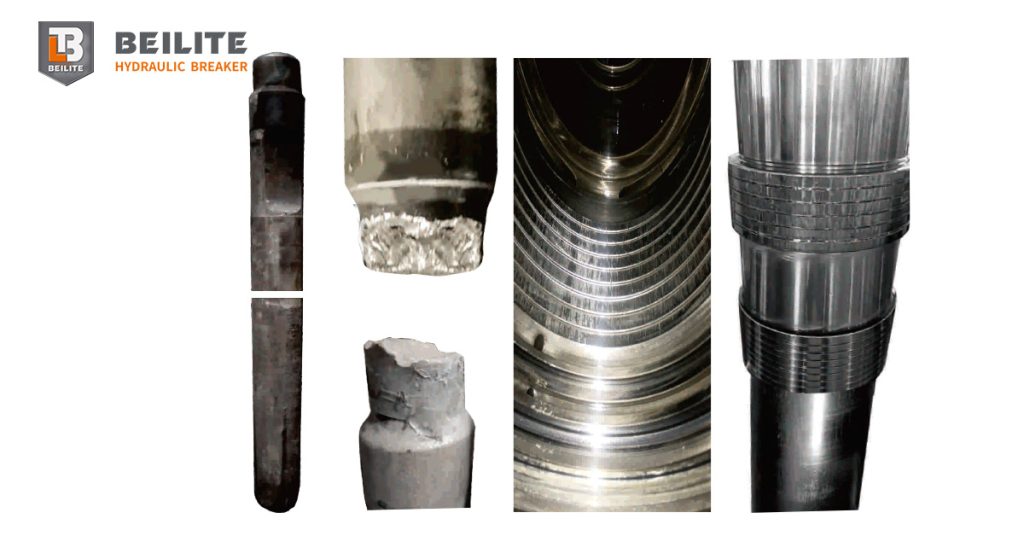
Hydraulic breakers also known as hydraulic hammers or rock breakers are powerful tools widely used in construction, mining, demolition, and quarrying. While they offer matchless efficiency for breaking concrete and rock, they also carry significant safety risks when not used properly. From hydraulic system failures to chisel breakage or pin wear, even a small oversight can lead to dangerous accidents.
Whether you are an operator, site supervisor, or equipment owner, understanding proper hydraulic breakers safety procedures are critical to prevent injuries and protect your machines. Below, we break down the essential safety tips every operator must follow before, during, and after operation of hydraulic hammer breaker.
1. Use the Correct Hydraulic Line and Equipment Settings
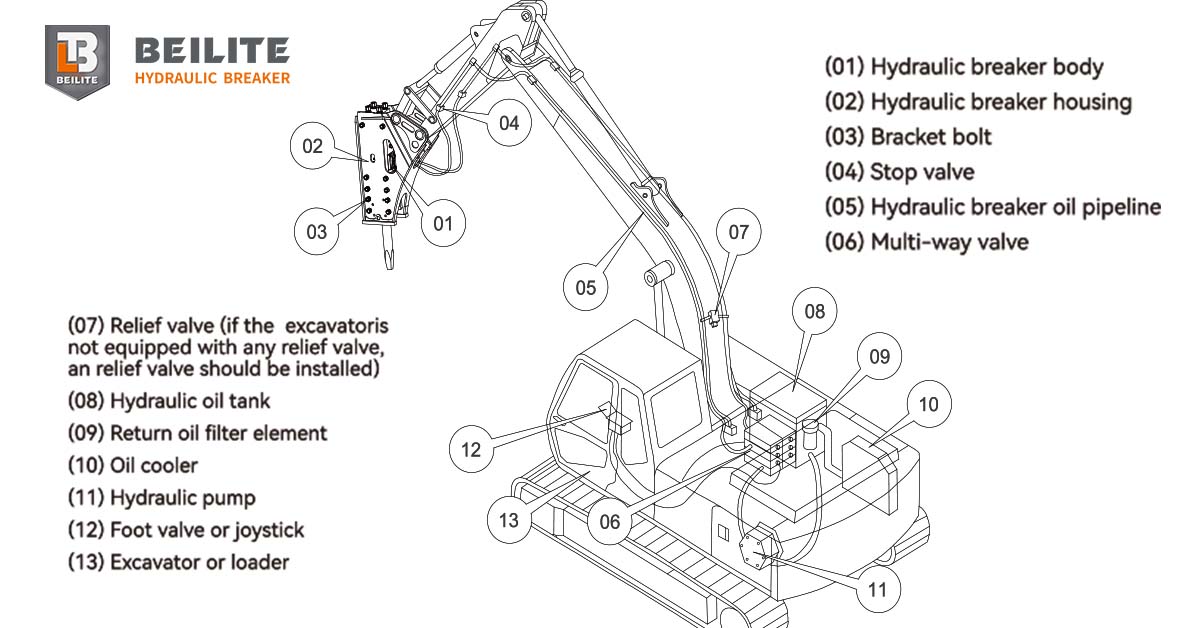
Before using hydraulic rock breakers, always make sure that the dedicated hydraulic breaker lines are installed correctly on the backhoes, excavators or loaders. Many excavators come with multiple hydraulic attachments such as shear lines or auxiliary lines so it’s important to use the proper hydraulic circuit designed specifically for breaker operation.
If your excavator, backhoe or skid loader is equipped with a “breaker mode” or hydraulic hammer mode, this should be selected. This mode optimizes oil flow, pressure, and return speed to match the hydraulic breaker’s requirements.
If the machine only has a shear hydraulic line, it must be replaced with a proper breaker line. Using the wrong line can cause excessive oil flow, overheating, and internal damage to both the breaker and the machine’s hydraulic system.
At the end, always check that the hydraulic breaker is compatible with the excavator or loader model you are using. Incorrect pairing can lead to unstable operation, reduced impact force, or mechanical failure.
2. Adjust the Excavator/loader/Backhoe Speed and Controls Before Operation
Once the hydraulic breakers are installed, adjust the excavator’s working speed according to the equipment manual. Hydraulic breakers are designed to operate at specific flow rates and pressures; running the machine too fast or too slow can reduce efficiency and create harmful stress on the internal components.
Following the manufacturer’s recommended settings helps prevent:
- Overheating of hydraulic oil
- Premature wear of internal breaker components
- Loss of impact power
- Unstable chisel movement
A properly calibrated machine ensures both operator safety and maximum productivity.
3. Always Inspect Wear Between the Thrust Bush & Chisel Bush
Before starting the work, operators should inspect the thrust bush and chisel bush, two critical components that stabilize the chisel and absorb impact. Excessive wear can cause the chisel to wobble, leading to:
- Uneven impact force
- Increased vibration
- Chisel breakage
- Damage to the front head or piston
If the wear gap is beyond the allowable limit (typically shown in the breaker manual), the bushings must be replaced immediately.
Why Hydraulic breaker bushings wear is matter:
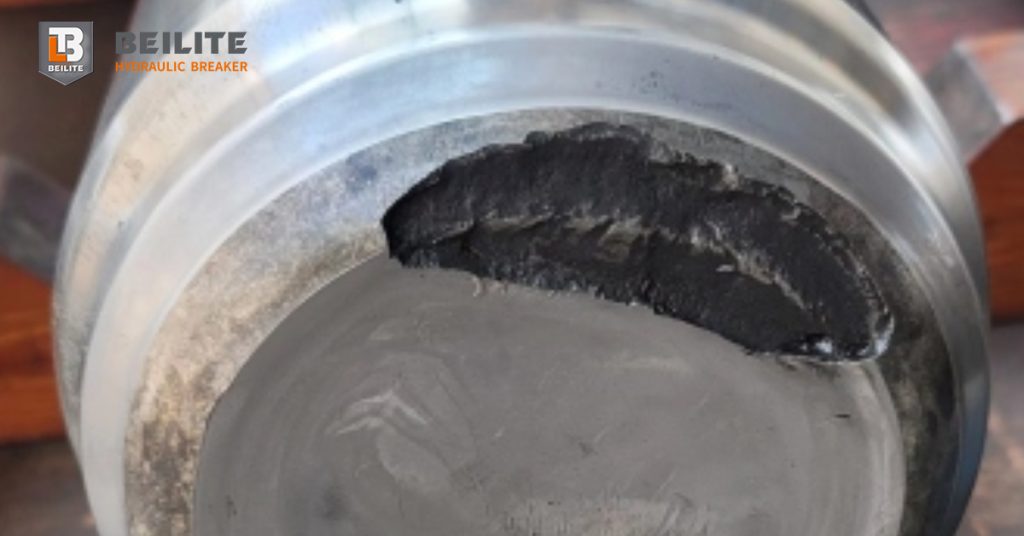
When bushings wear down, the piston begins to strike at an angle. This can cause lateral movement of the piston, leading to scratches, scoring, or even catastrophic fracture of the piston or housing.
4. Avoid Side-Hitting and Oblique Striking
One of the most common causes of hydraulic breaker damage is using the breaker at an improper angle. When the chisel strikes at an oblique angle for prolonged periods:
- The piston leans sideways during impact
- The strike zone becomes misaligned
- The inner surfaces of the breaker are damaged
- The front head may crack
- Chisel pins wear prematurely
Always strike perpendicularly to the material. If the operator needs to reposition material or adjust angles, stop the breaker first never attempt to pry, tilt, or push sideways while the chisel is engaged.
5. Monitor the Chisel Pin for Wear and Cracks
The chisel pin holds the chisel in place and experiences intense shock during operation. If it begins to wear down, it creates excessive clearance, allowing the chisel to bounce or move unpredictably. Over time, this will lead to:
- Cracks forming in the front head
- Deformation of the lower breaker housing
- Increased vibration and noise
- Potential chisel ejection extremely dangerous
Operators should check the chisel pin daily for:
- Wear
- Cracks
- Deformation
- Contamination
If any abnormality is found, stop using the breaker immediately and replace the pin.
6. Never Work with Overheated Chisels (Tools)
After continuous operation, the chisel becomes extremely hot. This is normal, but it presents burn risks during maintenance or chisel changes. To prevent scalding:
- Allow the chisel to cool before touching
- Wear protective gloves
- Avoid attempting to remove bushings or push pins immediately after operation
Cooling down prevents injuries and avoids damaging seals that may soften under heat.
7. Maintain a Clean Hydraulic System
Contaminated hydraulic oil is one of the leading causes of breaker failure. Dirt, sand, and metal debris can enter the system and damage valves, pistons, or seals. To prevent this:
- Follow the excavator’s hydraulic maintenance schedule
- Replace hydraulic filters regularly
- Inspect hoses and fittings
- Clean all connection points before installation
A clean hydraulic line ensures optimal oil flow and protects the breaker from internal damage.
Summary
Hydraulic breakers are reliable and powerful, but only when handled with proper knowledge and respect for safety procedures. By following these essential safety tips correct installation, correct hydraulic line usage, regular inspection of bushings and chisel pins, and avoiding side-hitting—you can significantly reduce accidents and extend the lifespan of your hydraulic breaker.
Whether you are operating a Beilite hydraulic breaker, a CAT, Komatsu, Doosan, or any other brand, these universal safety guidelines help ensure smoother operation, increased productivity, and safer job sites. Remember: good maintenance and proper technique are the best ways to prevent hydraulic breaker accidents.
FAQs – Hydraulic Breaker Safety & Maintenance
1. How often should I inspect my hydraulic breaker for wear?
It’s recommended to inspect your hydraulic breaker before each work shift. Key components such as the chisel bush, thrust bush, retainer pin, and hydraulic hoses should be checked for cracks, excessive wear, or abnormal looseness. Regular inspection prevents costly failures like piston scoring, oil leaks, and front-head cracking, ensuring both safety and long machine life.
2. Why is it dangerous to operate a hydraulic breaker in an angled or sideways position?
Operating in an oblique or sideways angle puts lateral stress on the piston and the front head of the breaker. This can cause the piston to tilt and scratch, damage the chisel bore, or even crack the front head. For safety and maximum impact efficiency, always keep the chisel perpendicular to the breaking surface and avoid prying or twisting.
3. Can I use the hydraulic shear line instead of a dedicated breaker line?
No, using a hydraulic shear line can deliver excessive oil flow, which may overheat the breaker or damage the internal seals. Always ensure your excavator or loader is equipped with a dedicated hydraulic breaker line or a factory-installed hammer mode. This guarantees the correct pressure, flow rate, and return line configuration for safe and efficient operation.
Beilite Machinery Co., Ltd.
40008-40008
info@beilite.com
+6282321982255