 English
 Indonesian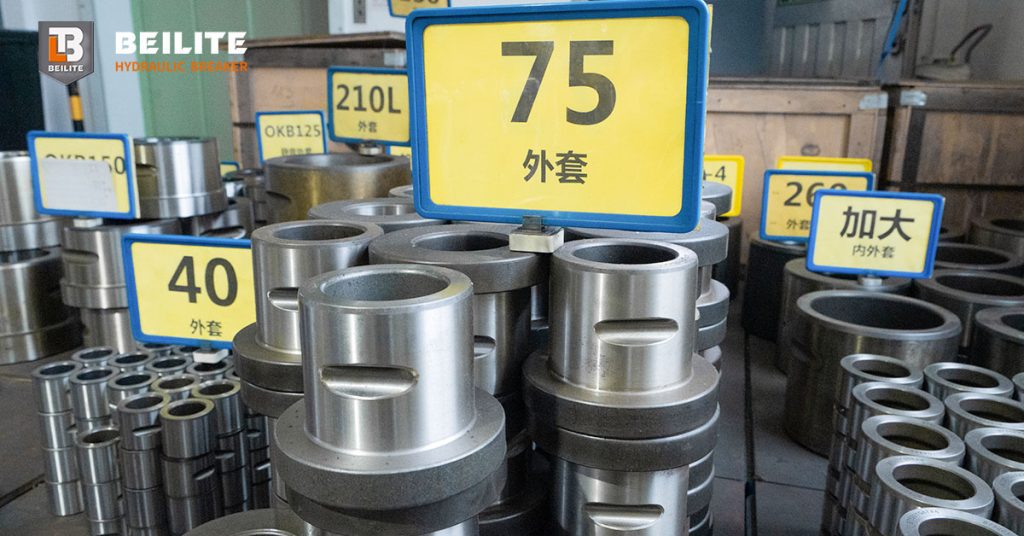
Hydraulic breakers are among the most essential attachments for excavators, widely used in construction, mining, quarrying, demolition, and infrastructure projects. To keep these powerful attachments operating at peak performance, it is very important to understand the components working inside them particularly hydraulic breaker seal kits and internal spare parts. These parts not only ensure the reliability of the breaker but also help reduce downtime, lower maintenance costs, and extend the overall lifespan of the equipment.
The Role of Seal Kits in a Hydraulic Breaker that Operators Should Know
A hydraulic breaker seal kit is one of the most important maintenance items required to keep the system running smoothly. A breaker relies heavily on hydraulic pressure, and its internal chamber must remain properly sealed to prevent oil leakage, loss of power, and premature wear on the components. Each seal in the kit performs a specific role, whether it is preventing fluid from escaping the piston chamber, keeping dust away from moving parts, or maintaining the pressure balance inside the breaker. When any of these seals begin to degrade, the breaker often shows symptoms such as reduced impact force, irregular blow speed, overheating, or excessive vibration.
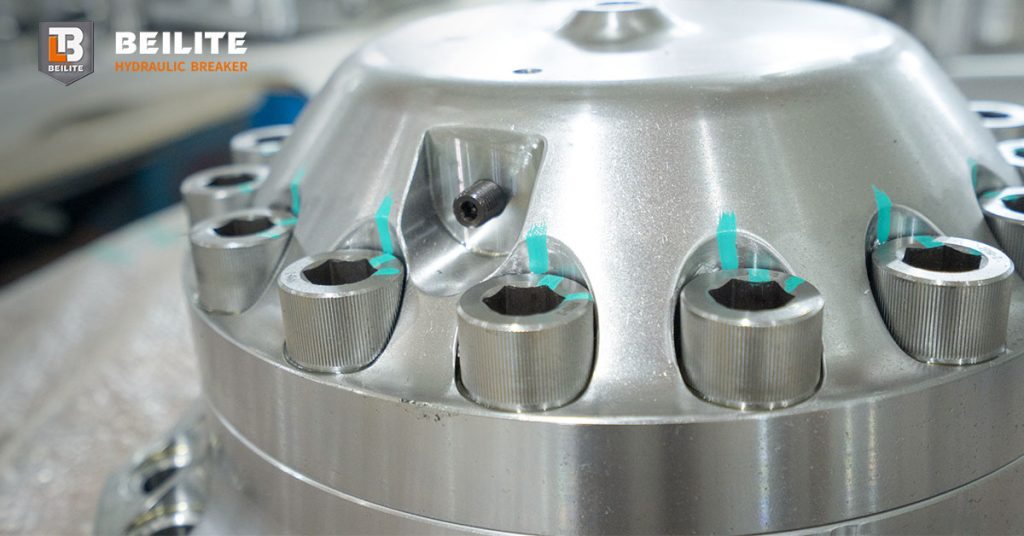
Over time, seals are naturally exposed to high-pressure hydraulic oil, extreme temperatures, abrasive material, and constant vibration. This means they require regular inspection and replacement. A good hydraulic breaker seal kit typically includes piston seals, buffer seals, dust seals, O-rings, and wear rings designed to match the breaker model. Choosing genuine or high-quality aftermarket seal kits is essential because low-quality seals can fail quickly, leading to costly repairs. Regular seal maintenance ultimately improves breaker efficiency and helps operators avoid disruptions in their excavation or demolition work.
Internal Spare Parts That Keep Your Hydraulic Breaker Running
Aside from seal kits, hydraulic breakers depend on various internal spare parts to maintain consistent performance. The piston is one of the most critical components, as it delivers the powerful striking energy required to break concrete, rock, or other hard materials. A worn or damaged piston reduces efficiency, causes misfires, and can even damage the cylinder. Replacing the piston at the right time is essential for maintaining impact force.
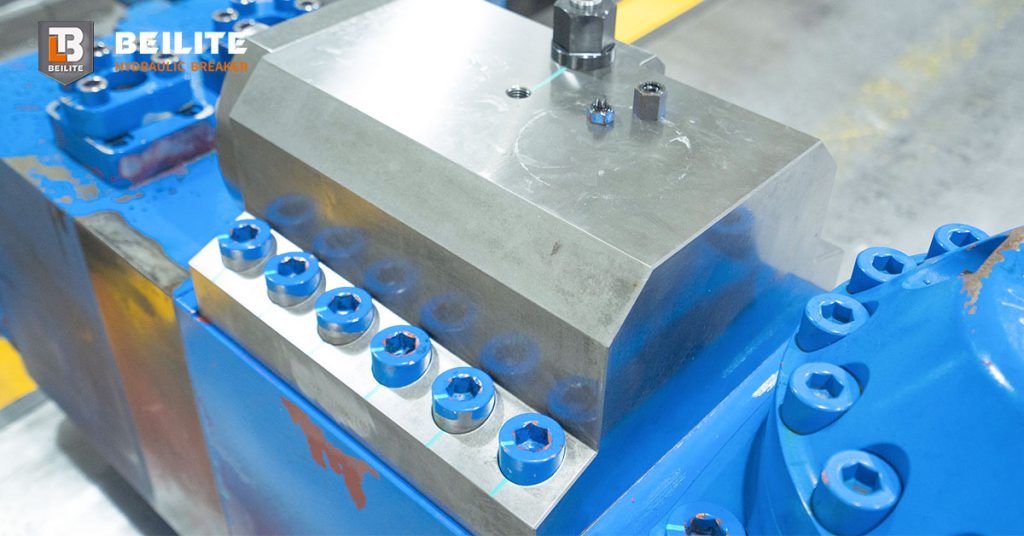
Another central internal part is the cylinder body. The cylinder houses the hydraulic chamber, piston, and valves, making it the structural foundation of the breaker. When cracks, scoring, or deformation occur inside the cylinder, the entire breaker can lose function or suffer internal leakage. Keeping the cylinder in good condition ensures that hydraulic pressure is properly contained and the machine operates safely.
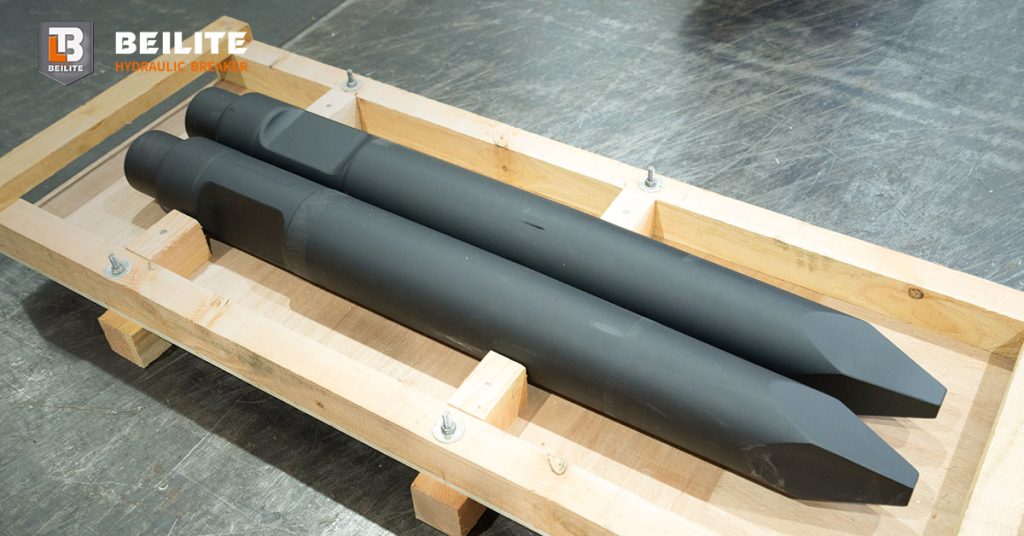
Front heads and back heads also play a significant role. These components absorb impact, maintain structural stability, and protect internal hydraulic systems. Inside them are accumulators, diaphragms, gas chambers, and retaining bushings all of which must be maintained in excellent condition. Replacing worn bushings, for example, helps reduce vibration and protects the piston from unnecessary wear. On the other hand, the breaker tool or chisel, although external, is an essential part of the internal functioning cycle. Its size, shape, and wear condition significantly influence how effectively the hydraulic hammer performs.
Why Choosing the Right Hydraulic Breaker Spare Parts Is Crucial?
Selecting the correct hydraulic breaker spare parts can drastically impact performance, durability, and long-term maintenance costs. Because hydraulic breakers experience heavy-duty working conditions, it is vital to choose parts manufactured with high-grade materials and precise engineering. High-quality internal parts ensure smoother hydraulic flow, more consistent impact force, and longer service intervals. Using inferior or incompatible parts, on the other hand, may cause premature failure and lead to expensive repairs.
Many equipment operators prefer genuine OEM parts for maximum reliability, while others choose high-quality aftermarket parts to reduce costs without sacrificing durability. The key is ensuring compatibility with your breaker model, such as Beilite, Soosan, Furukawa, Montabert, Rammer, or Atlas Copco. Well-designed spare parts also help maintain safety on job sites by preventing unexpected failures that could harm the operator or damage the excavator.
Hydraulic Breaker Routine Maintenance for Longer Breaker Life
Consistent maintenance is the best strategy to keep hydraulic hammers working at their best. Regular inspection of breaker seals, replacement of worn components, and proper lubrication can significantly increase the lifespan of the equipment. Monitoring hydraulic oil quality is especially important because contaminated oil can damage internal parts such as valves, pistons, and cylinders. Keeping the breaker tool greased helps reduce friction and protects the bushing from unnecessary wear.
Many breakdowns in hydraulic breakers occur because of delayed seal replacement or ignoring early signs of wear. Small leaks or reduced impact energy may seem minor at first, but they often signal deeper internal issues. By performing timely maintenance and using reliable hydraulic breaker seal kits and spare parts, operators can maintain high productivity, prevent downtime, and avoid costly repairs.
Summary
Hydraulic breakers are powerful and durable tools, but their performance depends heavily on the condition of internal spare parts and seal kits. Understanding these components and replacing them when necessary is essential for maintaining efficiency, safety, and long-term reliability. Whether you operate excavator hammers daily or use them for occasional demolition work, investing in high-quality hydraulic breaker seal kits, pistons, cylinders, bushings, and front heads ensures your equipment remains dependable on every job. Regular maintenance, combined with the right spare parts, keeps your hydraulic breaker performing like new no matter how demanding the task.
FAQs
1: How often should hydraulic breaker seal kits be replaced?
Hydraulic breaker seal kits should typically be replaced every 3–12 months, depending on operators usage, working conditions, and hydraulic oil quality. Frequent heavy-duty work may require more frequent replacement to prevent leaks and loss of power.
2: Are aftermarket hydraulic breaker spare parts reliable?
Absolutely, high-quality aftermarket spare parts can be very reliable as long as they match your breaker model. They offer good performance at a lower cost, but choosing trusted manufacturers is essential for durability and safety.
Beilite Machinery Co., Ltd.
40008-40008
info@beilite.com
+6282321982255