 English
 Indonesian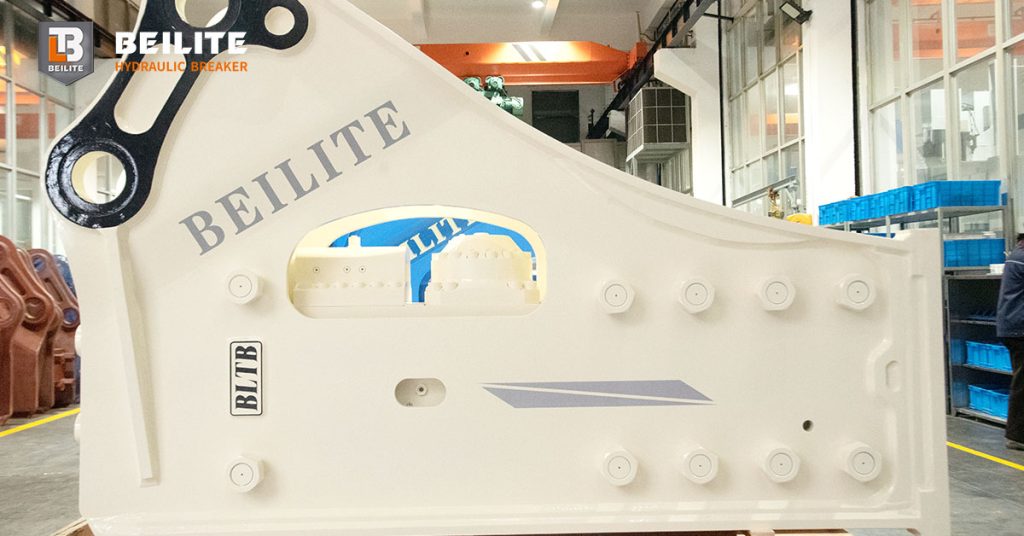
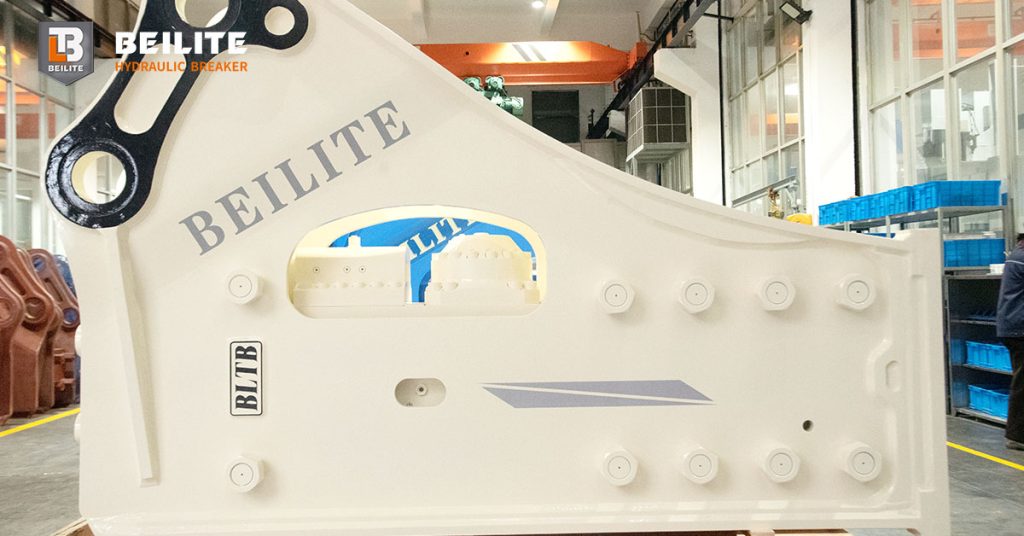
Selection of the appropriate skid steer hydraulic breaker for your excavation projects can be significantly impact productivity, operational costs, and job site efficiency. Whether you are demolishing concrete, breaking asphalt, or trenching through rock, understand the key factors of choosing hydraulic breakers, that ensures you invest in equipment that delivers reliable performance and long-term value.
Understanding Some Basic About Skid Steer Hydraulic Breakers
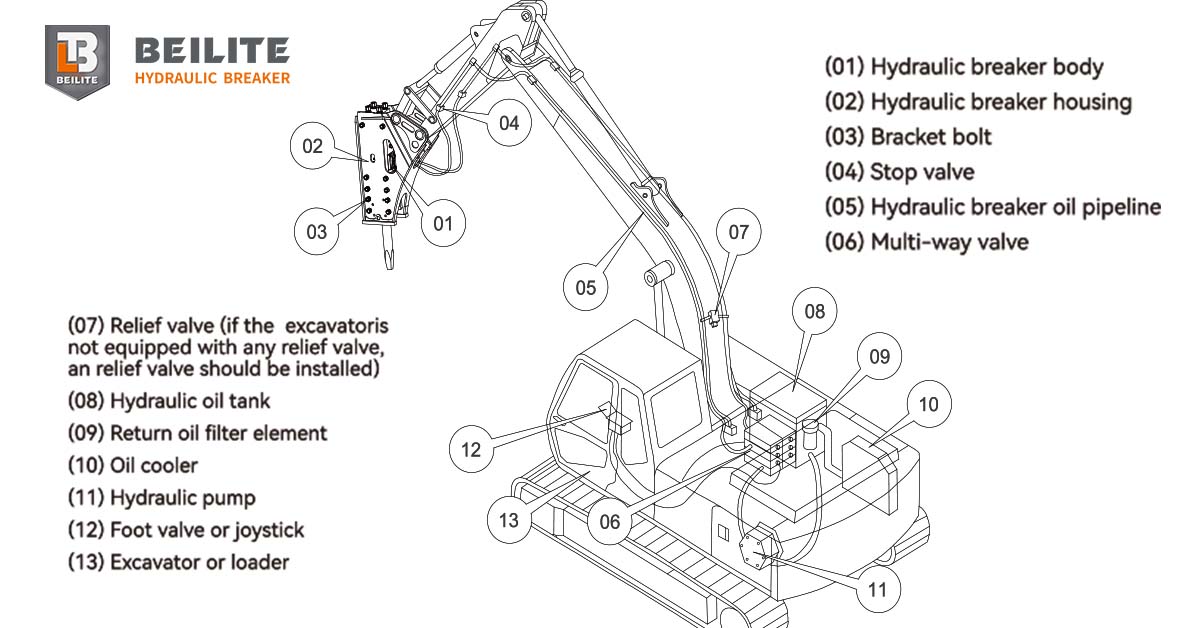
Hydraulic breakers, also known as hydraulic hammers or rock breakers, are powerful attachments that convert hydraulic energy from your skid steer loader into percussive force. These demolition tools are essential for construction, mining, quarrying, and roadwork applications where traditional excavation methods fall short.
The right hydraulic attachment transforms your compact equipment into a versatile demolition powerhouse, capable of tackling everything from residential foundation removal to commercial site preparation projects.
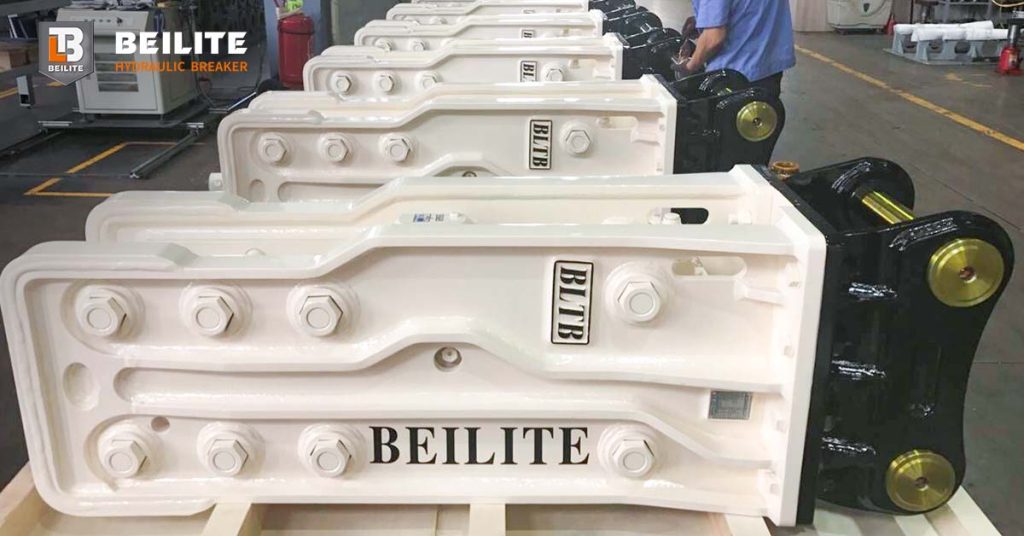
Key Critical Factors in Hydraulic Breaker Selection
Matching of Hydraulic Breaker Size to Carrier Weight
The most fundamental consideration when selecting skid steer breakers is to ensure compatibility between the attachment weight and your loader’s operating capacity. As a general rule, choose a hydraulic hammer that weighs approximately 10-15% of your skid steer’s operating weight. Oversized hydraulic breakers cause excessive wear on the carrier machine, while undersized units fail to deliver adequate breaking force for demanding applications.
For compact skid steers weighing 100-350 tons, hydraulic breakers in the 285kg to 15482kg range typically provide optimal performance. Mid-size loaders between 18ton to 50 tons work best with 1366kg to 4617kg hydraulic breakers, while heavy-duty skid steers exceeding 100tons pounds can handle breakers up to 115482kg.
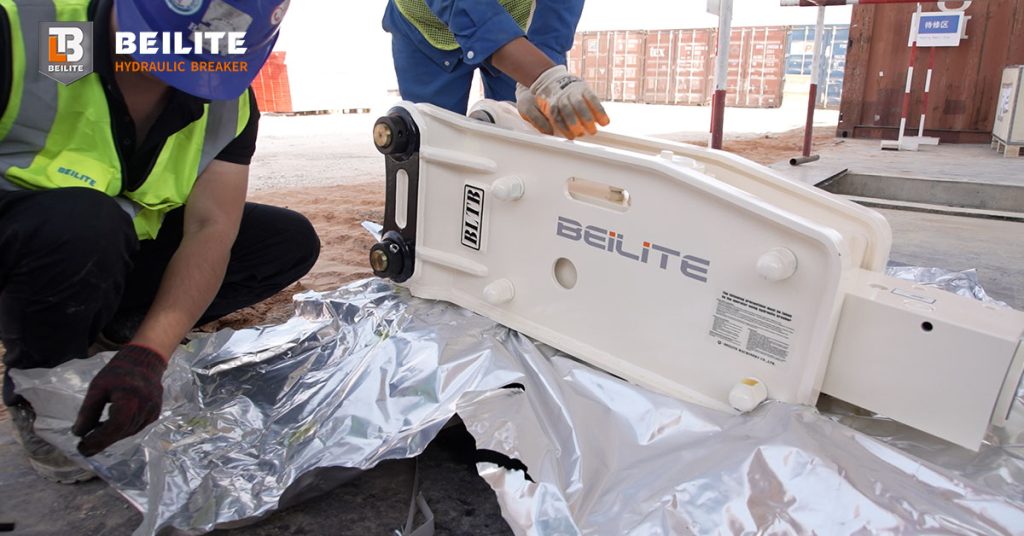
Hydraulic Flow and Pressure Requirements
Your skid steer’s hydraulic system must supply adequate flow rate (measured in gallons per minute or GPM) and pressure (measured in PSI) to power the breaker effectively. Most skid steer hydraulic breakers require 15-30 GPM at 2,500-3,000 PSI for proper operation.
Check your loader’s auxiliary hydraulic specifications before purchasing any attachment. Insufficient hydraulic flow results in reduced impact energy and slower cycle times, diminishing productivity on the job site. Many modern skid steer models offer high-flow hydraulic options specifically designed for demanding attachments like rock breakers and cold planers.
Impact Energy and Blow Frequency
Impact energy, measured in foot-pounds, determines the breaker’s ability to fracture hard materials. Applications involving reinforced concrete, solid rock, or thick asphalt require higher impact energy ratings, typically ranging from 600 to 1,500 foot-pounds for skid steer applications.
Blow frequency, measured in blows per minute (BPM), affects breaking efficiency in different materials. Higher frequencies (1,400-2,000 BPM) work better for brittle materials like concrete and asphalt, while lower frequencies with greater impact force suit tougher materials like granite or basalt.
Material-Specific Application Considerations
Different excavation and demolition projects demand specific hammer breaker characteristics. For concrete demolition and foundation removal, prioritize breakers with higher impact energy and moderate blow frequency. Asphalt breaking benefits from higher frequency units that create clean breaks without excessive pavement damage.
Trenching through frozen ground or fractured rock requires breakers with pointed moil points and consistent striking power. For general-purpose construction work involving mixed materials, select versatile hydraulic hammers with interchangeable tool options including moil points, chisels, and blunt tools.
Why Choose Beilite Machinery Hydraulic Breakers?
When investing in skid steer hydraulic breakers, equipment reliability directly impacts project timelines and maintenance costs. Beilite Machinery has established itself as a trusted manufacturer of high-performance hydraulic breakers designed specifically for demanding excavation applications.
Beilite hydraulic breakers feature advanced wear-resistant materials, precision-engineered striking mechanisms, and optimized energy transfer systems that maximize breaking force while minimizing carrier stress. Their comprehensive product line covers the full spectrum of skid steer applications, from compact 0.5 tons units for residential work to heavy-duty 350 tons excavators’ breakers for commercial demolition. Each Beilite breaker undergoes rigorous quality testing to ensure consistent performance in harsh job site conditions. The company’s commitment to engineering excellence results in attachments that deliver superior impact energy, extended service life, and reduced downtime compared to economy alternatives.
For Additional Information About Hydraulic Breaker, Please Contact Customer Support.
Essential Hydraulic Breaker Maintenance and Operating Tips
Appropriate maintenance extends hydraulic breaker service life and maintains optimal performance. Regularly inspect hydraulic hoses and connections for leaks, check tool retention systems for wear, and lubricate breaker components according to manufacturer specifications. Always operate breakers at the recommended hydraulic pressure to prevent premature component failure.
Use appropriate tool steel grades for specific materials hardened chisels for concrete, pointed moils for rock, and blunt tools for compaction work. Never use hammer breakers as prying tools or allow the attachment to operate without material contact, as blank firing causes severe internal damage.
The Investment Decision Making
Choosing the right skid steer hydraulic breaker requires balancing initial equipment cost against long-term productivity gains and durability. While budget options may seem attractive, investing in quality attachments from established manufacturers like Beilite Machinery pays dividends through reduced maintenance, fewer breakdowns, and consistent performance across diverse applications.
Consider your most frequent excavation tasks, typical material hardness, and job site access constraints when making your selection. The right hydraulic breaker transforms challenging demolition work into efficient, profitable operations that keep your projects on schedule and within budget.
FAQs
What size hydraulic breaker do I need for my skid steer loader?
Choose a breaker weighing 10-15% of your skid steer’s operating weight. This ensures optimal performance without overloading your carrier machine’s capacity.
Can any skid steer operate a hydraulic breaker attachment?
Your skid steer must provide adequate hydraulic flow (15-30 GPM) and pressure (2,500-3,000 PSI). Verify compatibility before purchasing any hydraulic breaker attachment.
How often should I maintain my hydraulic breaker?
Inspect hydraulic connections daily, lubricate components per manufacturer guidelines, and check tool retention systems weekly to maximize breaker lifespan and prevent costly failures.
Beilite Machinery Co., Ltd.
40008-40008
info@beilite.com
+6282321982255