 English
 Indonesian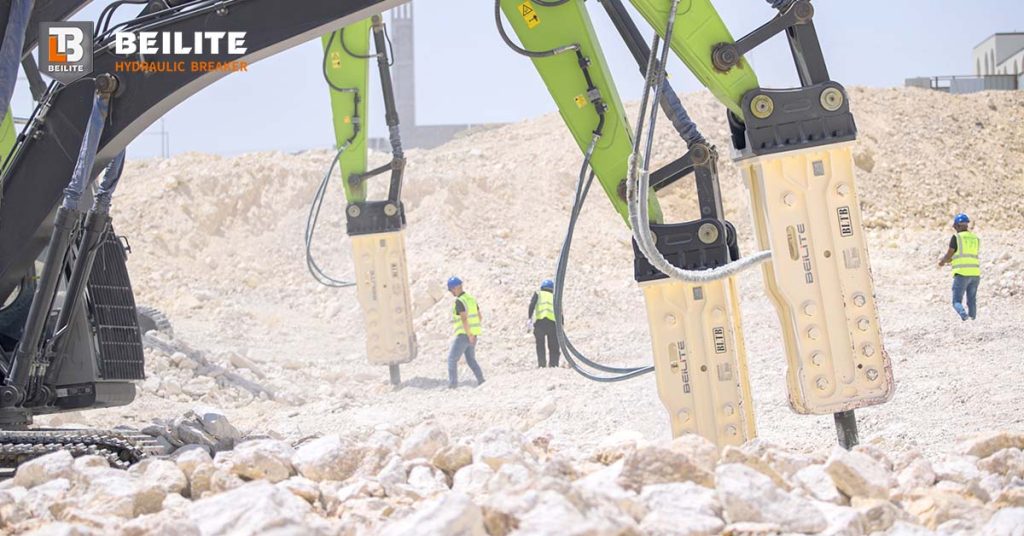
How to Choose the Right Stone Hydraulic Breaker Hammer for Your Excavators
Understanding the Importance of Choosing the Right Stone Hydraulic Breaker Hammers
Selecting the right stone hydraulic breaker hammers for your excavator are crucial for projects productivity, fuel efficiency, and overall machine longevity. When the breaker hammers are properly matched to both the excavator and the rock conditions, operators gain faster penetration, smoother operation, and lower maintenance costs. On the other hand, a mismatched breaker hammers cause overheating, poor breaking speed, excessive vibration, and premature component failure. Whether you are engaged in quarrying, mining, trenching through hard rock, foundation demolition, or oversized boulder reduction, the right hammer breaker selection sets the foundation for safe and efficient operations.
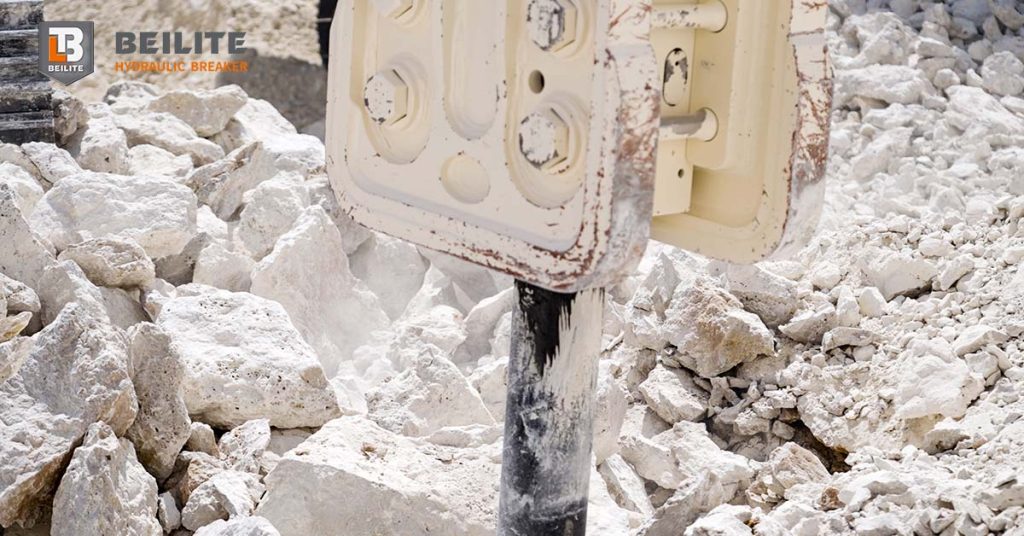
Evaluate the Rock Hardness and Jobsite Conditions
The type of stone you are working with determines the size, impact power, and chisel selection needed. Softer materials such as limestone demand a high-frequency hammer with moderate impact energy, whereas granite, basalt, and compact boulders require a heavier, high-impact hydraulic rock breaker capable of sustained force. Operators often underestimate the geological variations in a site, causing the hammer to work harder than intended. Over time, this can result in excessive chisel wear and piston stress. Understanding the density and hardness of your rock ensures your excavator hammer delivers the right balance of striking power and efficiency.
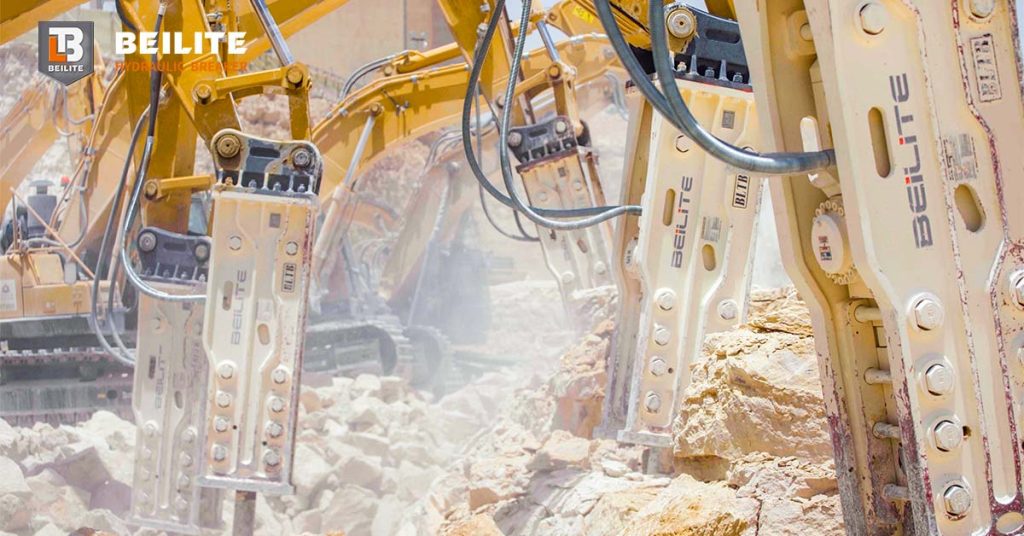
Match the Hydraulic Breaker Specifications to Your Excavator
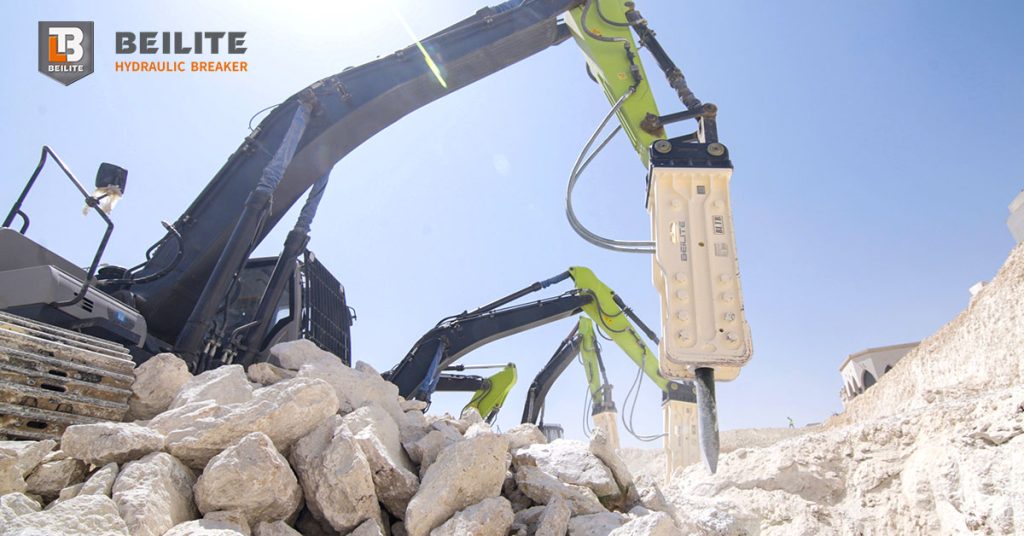
Every compact mini excavator to 1 ton to 350-tons quarry excavators has a recommended hydraulic breaker range. Matching the breaker hammer to the excavator’s hydraulic oil flow, operating pressure, and lifting capacity is one of the most important steps. A hammer rock breaker requiring more oil flow than the excavator can supply will never generate its full impact power. Meanwhile, a breaker that operates at a higher pressure than the machine is designed for can strain hydraulic lines and pumps. Reliable brands such as the Beilite hydraulic breaker series are engineered to fit a wide range of excavator models, providing stable oil requirements and dependable impact performance.
Consider the Hydraulic Breaker Hammer Working Weight and Impact Energy
The hydraulic breaker’s weight directly affects its penetration capability in stone applications. A correctly sized hammer breaker generates strong impact force without compromising the excavator’s structural integrity. Using a rock breaker that is too heavy creates unnecessary stress on pins, bushings, and the mainframe. Too light, and it bounces excessively against hard stone, wasting fuel and time. The goal is to find a hydraulic breaker hammer whose working weight and impact class suit your excavator as well as the stone density of the job.
Selecting the Right Chisel for Stone Excavation Hydraulic Breaker Hammer
Chisels (Tools) choice are often overlooked, yet it plays one of the largest roles in stone breaking efficiency. A moil point offers deeper penetration for general stone work and boulder reduction. A blunt chisel delivers stronger shattering energy for thick stone layers or oversized blocks. Quarry operations may require wedge chisels for controlled stone splitting. The correct tool bit improves impact transfer, reduces wear on the piston and front head, and ensures faster crack propagation through stone. This is particularly important for operators using the Beilite BLT series, where tool bits are engineered to complement the hammer’s energy output.
Beilite Hydraulic Breakers are: Durable, Well Structural Designed, and Easy Maintenable
Stone demolitions are in the harshest complex environments for hydraulic breakers. High-strength steel components, heat-treated pistons, and reinforced housings are essential for long-term reliability. A durable breaker minimizes downtime and reduces the frequency of repairs such as seal replacements, bushing changes, or piston refinishing. Brands that provide easy parts availability chisels, pistons, seal kits, side bolts, and bushings offer greater long-term value. Beilite’s structural strength and consistent availability of spare parts make them particularly popular among contractors and quarry operators seeking reliable equipment.
Hydraulic Breaker’s Energy Efficiency and Fuel Consumption Considerations
Modern hydraulic breakers are designed to maximize impact power while lowering oil consumption. Features such as nitrogen-charged energy chambers, shock-absorbing systems, and optimized impact cycles help reduce the excavator’s workload. Breakers that recycle rebound energy can increase productivity while lowering fuel usage. In stone demolition, energy efficiency becomes even more important because of the continuous heavy-duty loading involved.
Ideal Hydraulic Breaker for Operator Comfort and Noise Reduction
Stone excavation generates significant vibration and noise. Breakers with improved damping systems, silenced housing, and vibration isolation make operation far safer and more comfortable. Silenced hydraulic breakers are especially beneficial in urban construction or enclosed mining environments. The Beilite BLT silenced type offers noise reduction advantages without sacrificing impact force, making it suitable for mixed-use projects where noise limits must be respected.
Stone Hydraulic Breaker Hammer Balancing Cost, Value, and Long-Term Support
While cost is always a factor, the overall value of a hydraulic breaker is determined by its breaking performance, durability, parts availability, and support network. Choosing a low-priced hammer with poor structural strength results in frequent servicing, downtime, and higher long-term costs. A well-supported, high-impact breaker offers better reliability and a stronger return on investment. Contractors increasingly choose Beilite hydraulic breakers not only for their lower maintenance needs but also for their strong performance in stone and rock environments worldwide.
Summary
Selecting the right stone hydraulic breaker hammer for your excavator requires a holistic approach—evaluating rock hardness, excavator compatibility, breaker weight, tool selection, structural durability, and long-term support. With the right hammer, operators experience higher efficiency, lower fuel consumption, and significantly less stress on the excavator. Brands like Beilite continue gaining popularity for delivering powerful, reliable, and cost-effective stone-breaking solutions suitable for quarrying, mining, infrastructure construction, and heavy demolition.
FAQs
1. What size of hydraulic breaker hammers are best for stone and rock excavation?
The ideal hydraulic breakers size depend on both the excavator’s operating weight and the hardness of the stone. Hard materials like granite and basalt require a heavier breaker with strong impact energy, while softer limestone can be handled with a medium-sized hammer. Always match the breaker’s oil flow, working pressure, and weight to your excavator’s specifications to avoid overload or power loss.
2. How do I know if my hydraulic breaker hammer is too small or too large for my excavator?
A breaker that is too small will struggle to break stone, generate excessive heat, and cause rapid wear to the chisel and front head. A breaker that is too large puts harmful stress on the excavator’s boom, pins, and hydraulic system. The best indicator is performance consistency if the hammer hits weakly, stalls, or makes the excavator unstable, you likely need a different breaker size. Always refer to the carrier compatibility chart provided by manufacturers like Beilite.
3. What is the best type of chisel for breaking stone and hard rock?
For most stone excavation work, a moil point is ideal for deep penetration and cracking high-density rock. A blunt tool is better for breaking oversized boulders and thick stone layers, as it disperses energy over a wider area. Quarry operations may use wedge tools for controlled splitting. Choosing the correct tool bit improves breaking speed, reduces vibration, and extends the lifespan of your hydraulic breaker hammer.Understanding the Importance of Choosing the Right Stone Hydraulic Breaker Hammers
Selecting the right stone hydraulic breaker hammers for your excavator are crucial for projects productivity, fuel efficiency, and overall machine longevity. When the breaker hammers are properly matched to both the excavator and the rock conditions, operators gain faster penetration, smoother operation, and lower maintenance costs. On the other hand, a mismatched breaker hammers cause overheating, poor breaking speed, excessive vibration, and premature component failure. Whether you are engaged in quarrying, mining, trenching through hard rock, foundation demolition, or oversized boulder reduction, the right hammer breaker selection sets the foundation for safe and efficient operations.
Evaluate the Rock Hardness and Jobsite Conditions
The type of stone you are working with determines the size, impact power, and chisel selection needed. Softer materials such as limestone demand a high-frequency hammer with moderate impact energy, whereas granite, basalt, and compact boulders require a heavier, high-impact hydraulic rock breaker capable of sustained force. Operators often underestimate the geological variations in a site, causing the hammer to work harder than intended. Over time, this can result in excessive chisel wear and piston stress. Understanding the density and hardness of your rock ensures your excavator hammer delivers the right balance of striking power and efficiency.
Match the Hydraulic Breaker Specifications to Your Excavator
Every compact mini excavator to 1 ton to 350-tons quarry excavators has a recommended hydraulic breaker range. Matching the breaker hammer to the excavator’s hydraulic oil flow, operating pressure, and lifting capacity is one of the most important steps. A hammer rock breaker requiring more oil flow than the excavator can supply will never generate its full impact power. Meanwhile, a breaker that operates at a higher pressure than the machine is designed for can strain hydraulic lines and pumps. Reliable brands such as the Beilite hydraulic breaker series are engineered to fit a wide range of excavator models, providing stable oil requirements and dependable impact performance.
Consider the Hydraulic Breaker Hammer Working Weight and Impact Energy
The hydraulic breaker’s weight directly affects its penetration capability in stone applications. A correctly sized hammer breaker generates strong impact force without compromising the excavator’s structural integrity. Using a rock breaker that is too heavy creates unnecessary stress on pins, bushings, and the mainframe. Too light, and it bounces excessively against hard stone, wasting fuel and time. The goal is to find a hydraulic breaker hammer whose working weight and impact class suit your excavator as well as the stone density of the job.
Selecting the Right Chisel for Stone Excavation Hydraulic Breaker Hammer
Chisels (Tools) choice are often overlooked, yet it plays one of the largest roles in stone breaking efficiency. A moil point offers deeper penetration for general stone work and boulder reduction. A blunt chisel delivers stronger shattering energy for thick stone layers or oversized blocks. Quarry operations may require wedge chisels for controlled stone splitting. The correct tool bit improves impact transfer, reduces wear on the piston and front head, and ensures faster crack propagation through stone. This is particularly important for operators using the Beilite BLT series, where tool bits are engineered to complement the hammer’s energy output.
Beilite Hydraulic Breakers are: Durable, Well Structural Designed, and Easy Maintenable
Stone demolitions are in the harshest complex environments for hydraulic breakers. High-strength steel components, heat-treated pistons, and reinforced housings are essential for long-term reliability. A durable breaker minimizes downtime and reduces the frequency of repairs such as seal replacements, bushing changes, or piston refinishing. Brands that provide easy parts availability chisels, pistons, seal kits, side bolts, and bushings offer greater long-term value. Beilite’s structural strength and consistent availability of spare parts make them particularly popular among contractors and quarry operators seeking reliable equipment.
Hydraulic Breaker’s Energy Efficiency and Fuel Consumption Considerations
Modern hydraulic breakers are designed to maximize impact power while lowering oil consumption. Features such as nitrogen-charged energy chambers, shock-absorbing systems, and optimized impact cycles help reduce the excavator’s workload. Breakers that recycle rebound energy can increase productivity while lowering fuel usage. In stone demolition, energy efficiency becomes even more important because of the continuous heavy-duty loading involved.
Ideal Hydraulic Breaker for Operator Comfort and Noise Reduction
Stone excavation generates significant vibration and noise. Breakers with improved damping systems, silenced housing, and vibration isolation make operation far safer and more comfortable. Silenced hydraulic breakers are especially beneficial in urban construction or enclosed mining environments. The Beilite BLT silenced type offers noise reduction advantages without sacrificing impact force, making it suitable for mixed-use projects where noise limits must be respected.
Stone Hydraulic Breaker Hammer Balancing Cost, Value, and Long-Term Support
While cost is always a factor, the overall value of a hydraulic breaker is determined by its breaking performance, durability, parts availability, and support network. Choosing a low-priced hammer with poor structural strength results in frequent servicing, downtime, and higher long-term costs. A well-supported, high-impact breaker offers better reliability and a stronger return on investment. Contractors increasingly choose Beilite hydraulic breakers not only for their lower maintenance needs but also for their strong performance in stone and rock environments worldwide.
Summary
Selecting the right stone hydraulic breaker hammer for your excavator requires a holistic approach—evaluating rock hardness, excavator compatibility, breaker weight, tool selection, structural durability, and long-term support. With the right hammer, operators experience higher efficiency, lower fuel consumption, and significantly less stress on the excavator. Brands like Beilite continue gaining popularity for delivering powerful, reliable, and cost-effective stone-breaking solutions suitable for quarrying, mining, infrastructure construction, and heavy demolition.
FAQs
1. What size of hydraulic breaker hammers are best for stone and rock excavation?
The ideal hydraulic breakers size depend on both the excavator’s operating weight and the hardness of the stone. Hard materials like granite and basalt require a heavier breaker with strong impact energy, while softer limestone can be handled with a medium-sized hammer. Always match the breaker’s oil flow, working pressure, and weight to your excavator’s specifications to avoid overload or power loss.
2. How do I know if my hydraulic breaker hammer is too small or too large for my excavator?
A breaker that is too small will struggle to break stone, generate excessive heat, and cause rapid wear to the chisel and front head. A breaker that is too large puts harmful stress on the excavator’s boom, pins, and hydraulic system. The best indicator is performance consistency if the hammer hits weakly, stalls, or makes the excavator unstable, you likely need a different breaker size. Always refer to the carrier compatibility chart provided by manufacturers like Beilite.
3. What is the best type of chisel for breaking stone and hard rock?
For most stone excavation work, a moil point is ideal for deep penetration and cracking high-density rock. A blunt tool is better for breaking oversized boulders and thick stone layers, as it disperses energy over a wider area. Quarry operations may use wedge tools for controlled splitting. Choosing the correct tool bit improves breaking speed, reduces vibration, and extends the lifespan of your hydraulic breaker hammer.
Beilite Machinery Co., Ltd.
40008-40008
info@beilite.com
+6282321982255