 English
 Indonesian
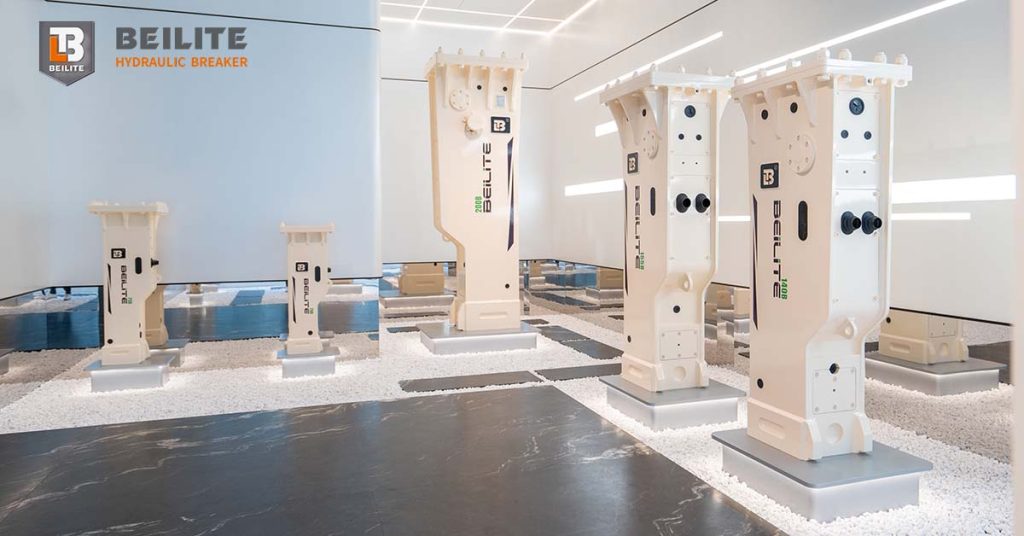
Excavation and construction projects in Indonesia come with their own set of unique challenges. The country’s diverse terrain ranging from volcanic rock to dense tropical soil—demands robust equipment capable of handling difficult ground conditions. While excavators are essential for most jobs, the task becomes more complex when hard rock layers, compacted soil, or reinforced concrete stand in the way.
To meet these challenges, many contractors are turning to hydraulic breakers as an indispensable solution. These powerful tools help break down hard materials, allowing excavators to keep operations running smoothly. But how can contractors overcome the challenges they face on-site? In this blog, we’ll explore practical solutions for handling excavation obstacles in Indonesia by leveraging hydraulic breakers.
1. Tackle Hard Rock Layers with Hydraulic Breakers
Indonesia’s landscape features many areas with hard rock formations that make traditional excavation methods inefficient. In regions like Bali and Java, where coral limestone and volcanic rock are common, breaking through these surfaces can slow down projects significantly.
Solution: Use a Medium or Heavy-Duty Hydraulic Breaker
For these conditions, the right hydraulic breaker is essential. Using an undersized breaker means it won’t be able to break through hard rock effectively, while an oversized breaker may damage your excavator or cause stability issues. Here’s how to select the best option:
For medium rock formations, a medium-sized breaker (10–50 tons) will generally be sufficient.
For harder volcanic rock or coral limestone, consider using a heavy-duty breaker (125 tons and above) to ensure you can crack through the material quickly.
Hydraulic Breaker Practical Tip:
Always test the hydraulic breaker on a smaller section of the material before starting on a larger area. This will help you ensure that the breaker size is adequate for the task and prevent unnecessary wear and tear on your equipment.
2. Deal with Compact Soil and Clay
In areas with dense, compacted soil or clay, traditional excavation methods often result in slow progress and excessive fuel consumption. Excavators alone struggle to break through these challenging conditions.
Solution: Combining Hydraulic Breakers and Buckets
Hydraulic breakers can be highly effective in fragmenting compact soil or clay, making it easier for excavators to remove it. Here’s how to improve efficiency:
First, use the hydraulic breaker to loosen compacted soil by applying repeated, high-impact blows to break up the material.
Once broken up, the excavator’s bucket can scoop and remove the loosened material more easily.
Beilite Hydraulic Hammers Practical Tips:
For areas with particularly tough soil, consider using a breaker with adjustable impact force. This flexibility allows you to reduce impact energy when working on softer layers and increase it when tackling harder materials.
3. Improve Efficiency in Urban Areas with Noise Restrictions
Many construction sites in Indonesia, especially in densely populated urban areas, face strict noise regulations. Demolition or excavation work in cities like Jakarta can be challenging due to the constant need to minimize noise.
Solution: Choose a Sound-Suppressed Hydraulic Breaker
To comply with local noise ordinances while still getting the job done efficiently, many contractors are turning to sound-suppressed hydraulic breakers. These breakers feature noise-dampening technology that reduces operational noise by up to 50% compared to traditional models.
Beilite Hydraulic Hammers Practical Tips:
Before purchasing or using a sound-suppressed breaker, check your local regulations to ensure compliance. While these models significantly reduce noise, certain areas might require additional measures such as acoustic barriers or time-of-day restrictions to fully comply with noise standards.
4. Hand Rock Excavation in Tight or Confined Spaces
Many excavation sites in urban areas, as well as mining operations, involve working in tight or confined spaces. In these cases, the large, bulky hydraulic breakers used on open sites might not be suitable.
Solution: Option for Compact or Mini Hydraulic Breakers
For work in confined spaces, such as utility trenching or demolition in narrow alleys, it’s best to use a compact or mini hydraulic breaker. These are specifically designed to fit into small work areas while still offering enough power to break through hard materials.
Mini hydraulic breakers are ideal for use with mini excavators or backhoes, which can maneuver into tight spaces.
These smaller models maintain high impact efficiency, allowing contractors to work in areas that full-sized machines can’t reach.
Beilite Hydraulic Hammers Practical Tips:
When working in confined spaces, make sure your machine has good stability. It’s essential to use proper bracing or stabilizers to ensure that the breaker does not cause the excavator to become unstable during operation.
5. Increase Excavator and Hydraulic Breaker Longevity
One of the most common challenges faced by contractors is the wear and tear that comes with continuous excavation and breaking tasks. In hot climates like Indonesia, dust, sand, and high temperatures can accelerate this wear, causing unnecessary downtime and maintenance costs.
Solution: Routine Maintenance and Regular Inspections
Proper maintenance and inspections are key to extending the life of your hydraulic breakers and excavators. Here are some practical maintenance tips:
- Lubricate moving parts like bushings, pins, and the tool’s strike mechanism before and after each use to reduce friction.
- Inspect hydraulic hoses for cracks or leaks, as sand and dust can quickly damage these components.
- Check nitrogen pressure in the breaker’s accumulator regularly to maintain consistent impact force.
Beilite Hydraulic Hammers Practical Tips:
Develop a maintenance schedule that aligns with the work intensity. For example, on high-use sites, consider daily checks, while weekly inspections might suffice for lower-intensity work.
Summary
Excavation in Indonesia is often far from straightforward. Between hard rock formations, compacted soil, noise restrictions, and tight spaces, contractors face a range of challenges. However, with the right tools and techniques, such as hydraulic breakers, these obstacles can be overcome efficiently and cost-effectively.
By choosing the correct breaker size, combining attachments, and maintaining your equipment, you can keep operations running smoothly and on schedule. Hydraulic breakers are not just an add-on—they are a game-changer for improving excavation productivity and handling tough materials in the challenging Indonesian landscape.
FAQs
1. When should I use a hydraulic breaker instead of a regular excavator bucket?
A hydraulic breaker is necessary when you’re dealing with hard rock, compacted soil, or concrete that a standard bucket can’t handle efficiently. It breaks down tough materials, making it easier to scoop and remove with the excavator bucket.
2. How can I reduce maintenance costs for my hydraulic breaker?
To minimize costs, regularly lubricate moving parts, inspect seals and hoses, and keep the nitrogen pressure in check. A well-maintained breaker will last longer, preventing expensive repairs or replacements.
Beilite Machinery Co., Ltd.
40008-40008
info@beilite.com