 English
 Indonesian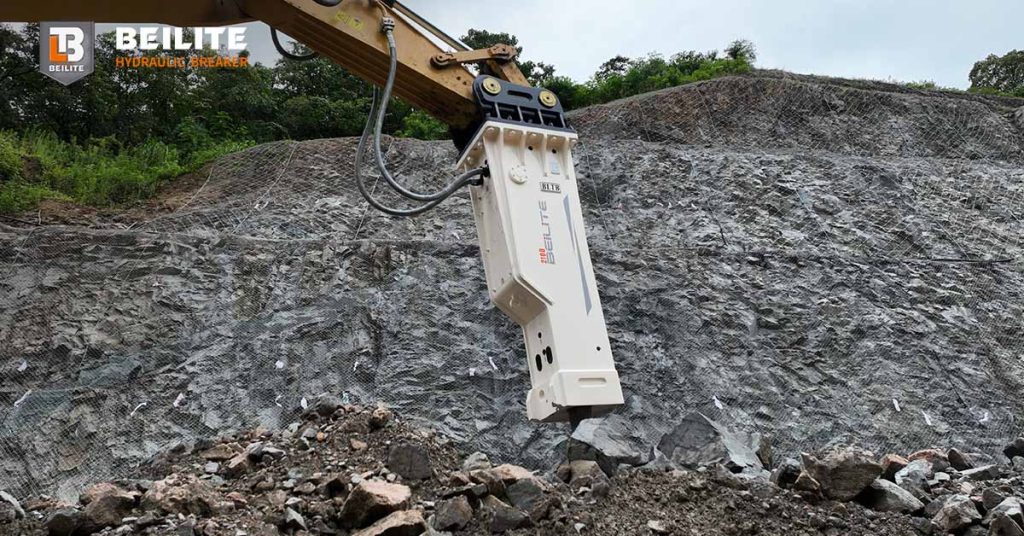
When you are facing a tough demolition job in a challenging location, the last thing you want is equipment that cannot keep up. Whether you are working in a cramped urban site surrounded by occupied buildings, dealing with extreme weather conditions, or tackling reinforced concrete structures that seem indestructible, having the right hydraulic breaker makes all the difference between a successful project and a costly headache.
Let me walk you through what really matters when choosing a hydraulic hammer for difficult concrete demolition work and why reliability should be your top priority.
Understanding the Challenges of Complex Demolition Environments
Not all demolition jobs are created equal. Sure, breaking up a concrete slab in an open field is straightforward enough. But what about demolishing a building foundation in a densely populated neighborhood where noise complaints could shut down your entire operation? Or removing a bridge pier while protecting the surrounding infrastructure?
Complex demolition environments come with unique obstacles. You might be working in tight spaces where maneuvering heavy equipment feels impossible. Perhaps you are dealing with extreme temperatures that scorching desert heat or freezing winter conditions that can wreak havoc on hydraulic systems. And then there’s the concrete itself, which varies dramatically in strength, reinforcement, and age.
In these situations, your hydraulic breaker is not just another tool in the shed. It becomes your lifeline to meet deadlines, staying within budget, and keeping everyone safe.
What Makes a Hydraulic Hammer Breaker Truly Reliable?
I have seen countless contractors learn this lesson the hard way: the cheapest rock breakers are not always the most economical choice. When you are working in demanding conditions, reliability translates directly into productivity and profitability.
Robust Construction That Withstands Punishment
A reliable concrete breaker needs to handle continuous operation without breaking down. This means premium materials throughout think heat-treated alloy steel pistons, reinforced cylinder bodies that are thicker than industry standards, and precision-machined components that maintain tight tolerances even after thousands of hours of use.
The best manufacturers do not cut corners on materials. They understand that when a hammer breaker fails mid-project, you are not just losing the cost of repairs, you are losing time, paying idle crew members, and potentially facing contract penalties.
Consistent Performance Across Conditions
Here’s where many breakers fall short: they work great in the showroom but struggle when conditions get tough. A truly reliable hydraulic hammer maintains consistent impact energy whether it’s operating in 50°C desert heat or sub-zero temperatures. It delivers the same breaking force on hour one as it does on hour five thousand.
This consistency comes from intelligent engineering properly sized nitrogen accumulators that compensate for pressure fluctuations, advanced hydraulic control valves that ensure optimal oil flow distribution, and cooling systems designed to prevent overheating during extended operation.
Critical Features for Complex Demolition Work
When you are evaluating hydraulic breakers for challenging projects, certain features separate the reliable from the unreliable:
Versatile Mounting Options
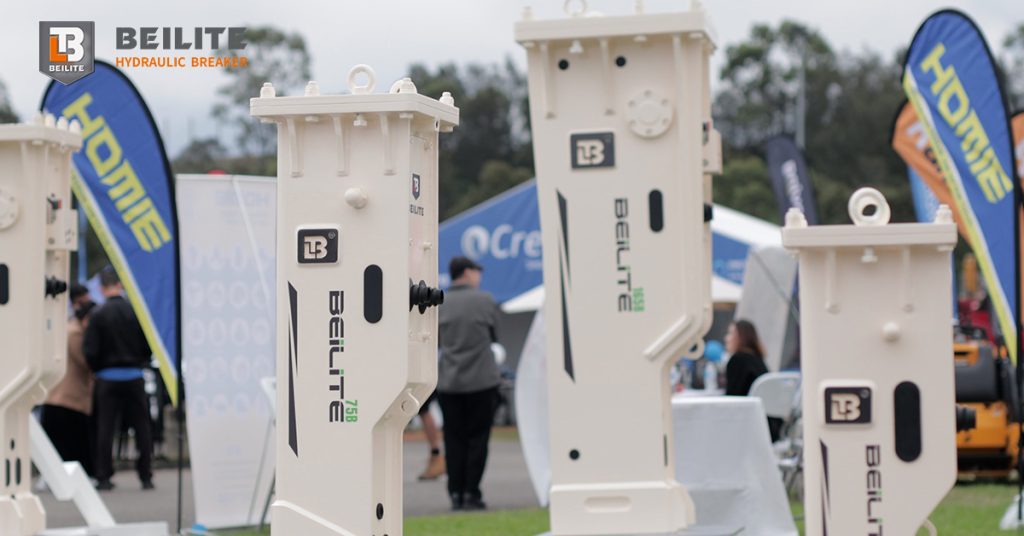
Different job sites demand different approaches. Sound-suppressed breakers work brilliantly in noise-sensitive urban areas, reducing operational noise by up to 35% while maintaining full breaking power. Side-mounted breakers offer superior maneuverability in tight spaces and easier maintenance access. Top-mounted breakers provide maximum vertical impact force for deep foundation work and quarrying applications.
The most reliable manufacturers offer all three configurations, allowing you to choose the right tool for each specific challenge.
Hydraulic Hammer Easy Maintenance in the Field
Let’s be honest nobody wants to tear down a hydraulic breaker in the middle of a job site. The best breakers feature tool-free access to critical wear components, convenient grease points, and simple nitrogen charging procedures that your crew can handle without calling in specialists.
When maintenance is straightforward, it actually gets done. That’s the difference between a breaker that lasts 5,000 hours and one that reaches over 15,000 hours.
Hydraulic Rock Breaker Protection Against Operator Error
Even experienced operators make mistakes, especially during long shifts or stressful conditions. Advanced hydraulic breakers include anti-idle blow protection that prevents damage from striking without material resistance, automatic pressure compensation systems that protect both the breaker and the excavator’s hydraulic system, and integrated safety features that shut down operation when problems are detected.
Rock Breaker Real-World Performance That Matters
Numbers on a spec sheet tell part of the story, but what really counts is how a hydraulic rock breaker performs when you need it most. The most reliable breakers maintain their productivity day after day, require minimal unscheduled maintenance, operate efficiently across various excavator sizes and brands, and deliver predictable results that allow accurate project planning.
When contractors tell me their breaker “just works,” that’s the ultimate compliment. It means they’re not worrying about equipment. They are focused on getting the job done.
Operators Must Make the Smart Choice
Selecting a hydraulic hammer for complex concrete demolition is not about finding the most powerful or the cheapest option. It’s about choosing equipment you can count on when conditions are difficult, deadlines are tight, and there’s no room for failure.
Look for manufacturers with proven track records, comprehensive warranty support, readily available genuine spare parts, and local service networks that can respond quickly when you need help.
The right hydraulic breaker becomes an investment in your business’s reputation. Every project completed on time and within budget strengthens your standing with clients and opens doors to more opportunities.
Remember, in complex demolition environments, reliability isn’t just a nice feature it’s everything. Choose wisely, maintain properly, and your hydraulic breaker will become the workhorse that helps you tackle the toughest jobs with confidence.
Keywords:
Hydraulic breaker, Concrete demolition, Hydraulic hammer, Demolition equipment, Complex demolition environments, Breaking concrete, Excavator attachment, Rock breaker, Construction equipment, Reinforced concrete, Urban demolition, Reliable breaker, Heavy-duty breaker, Concrete breaking, Demolition projects, Frequently Asked Questions
FAQs
1.What’s the difference between sound-suppressed and regular hydraulic breakers for concrete demolition?
Sound-suppressed breakers reduce operational noise by up to 35% through enclosed housing and vibration dampening technology, making them ideal for urban demolition projects near hospitals, schools, or residential areas. Regular open-type breakers are more cost-effective and easier to maintain, perfect for remote sites without noise restrictions. Both deliver the same breaking power—the choice depends on your project location and local noise regulations.
2.How do I know which size hydraulic breaker I need for my excavator?
The general rule is matching your breaker to your excavator’s weight and hydraulic flow capacity. For example, a 20-ton excavator typically pairs with a breaker in the 1,200-1,800 kg range. However, always check your excavator’s hydraulic flow rate (L/min) and operating pressure (bar) against the breaker’s specifications. Using an oversized breaker can damage your excavator’s hydraulic system, while an undersized one won’t break concrete efficiently.
3.Can hydraulic breakers work in extreme temperatures?
Yes, quality hydraulic breakers are engineered for extreme conditions. They operate reliably in desert heat exceeding 50°C and freezing temperatures below -50°C. The key is using the correct hydraulic oil viscosity for your climate and ensuring proper warm-up procedures in cold weather. Premium breakers include enhanced cooling systems for hot climates and specialized seals that remain flexible in freezing conditions.
Beilite Machinery Co., Ltd.
40008-40008
info@beilite.com
+6282321982255