 English
 Indonesian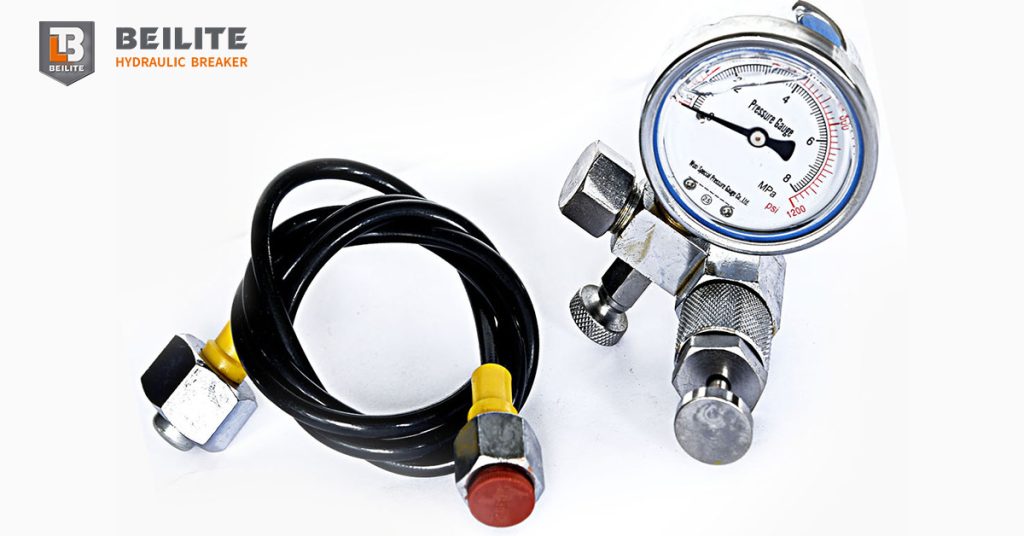
When operators talk about hydraulic breaker performance, they usually focus on impact rate, excavator size, or brand reputation. But behind every powerful strike is something much simpler and often overlooked: nitrogen pressure.
Understanding how nitrogen works inside your hydraulic breaker is not just technical knowledge. It directly affects productivity, fuel efficiency, and equipment lifespan especially in demanding environments like Indonesia’s mining and infrastructure sites.
Let’s break down the science in practical terms.
The Power Source: Nitrogen as a Pneumatic Spring
Inside a hydraulic breaker, nitrogen gas acts like a pneumatic spring. During the piston’s upward stroke, hydraulic oil pushes the piston back and compresses the nitrogen gas stored in the back-head chamber.
As the piston moves downward, the compressed nitrogen expands rapidly, releasing stored energy and adding force to the hydraulic power. This combined energy is what creates the high-impact blow that breaks rock and concrete.
Without correct nitrogen pressure, the breaker cannot reach its designed impact energy. Too little pressure reduces striking force. Too much pressure disrupts piston movement.
Nitrogen is not optional it is the core of the breaker’s power system.
Optimal Performance: Why Correct PSI of Hydraulic Breaker Nitrogen Pressure is Matters?
Every manufacturer provides a specific nitrogen pressure range (measured in PSI or Bar). Maintaining this correct pressure ensures:
- Consistent impact energy
- Smooth piston cycling
- Prevention of blank firing
- Reduced internal wear
Blank firing occurs when the breaker strikes without proper resistance from rock. Incorrect nitrogen levels increase the risk of this issue, damaging internal components over time.
Premium brands like Beilite, Soosan, Furukawa Rock Drill, and Epiroc provide detailed PSI charts because precise gas balance is critical for performance.
An excavator breaker running at optimal pressure delivers stable, predictable power—essential for productivity on Indonesian job sites.
Temperature Sensitivity: Indonesia’s Environmental Tropical Factor
Here’s something many operators overlook: nitrogen pressure changes with temperature.
Indonesia’s tropical climate, especially in regions like Kalimantan or Sulawesi, can push daytime temperatures above 35°C. As temperature increases, nitrogen gas expands, raising internal pressure.
If a hydraulic breaker is charged early in the morning when temperatures are cooler, pressure may increase significantly by midday.
This means operators should:
- Check pressure during operating temperature
- Avoid overfilling in cool conditions
- Adjust PSI according to manufacturer’s hot-weather recommendations
Ignoring temperature effects can lead to over-pressurization, which stresses seals and internal diaphragms.
Maintenance & Longevity: The Cost of Incorrect Nitrogen Levels
Running incorrect nitrogen pressure doesn’t just reduce performance—it damages equipment.
If Pressure Is Too Low:
- Weak striking force
- Slow breaking speed
- Increased hydraulic oil stress
- Reduced productivity
If Pressure Is Too High:
- Piston cannot cycle correctly
- Excessive internal shock
- Damaged seals and diaphragms
- Risk of hydraulic pump strain
Over time, incorrect gas levels can cause premature wear of internal components and even affect the excavator’s hydraulic system.
Maintaining proper nitrogen pressure is one of the most cost-effective preventive maintenance actions an operator can take.
Troubleshooting: Signs of Low Nitrogen
If your breaker is underperforming, nitrogen pressure should be one of the first things you check.
- Common symptoms of low nitrogen include:
- Erratic or inconsistent striking
- Noticeable drop in breaking power
- Slower impact frequency
- Increased vibration
- Difficulty penetrating hard rock
Addressing nitrogen imbalance early prevents more serious internal damage.
Technical Guide: How to Properly Recharge Nitrogen in Your Hydraulic Breaker
Maintaining correct gas pressure is critical. Follow these industry-standard steps to ensure safe and accurate charging.
1. Safety First
Turn off the excavator completely. Ensure the breaker is resting firmly on the ground in a horizontal position before beginning any gas service.
2. Identify the Charging Valve
Locate the nitrogen charging valve, usually protected by a metal cap on the back-head of the breaker.
3. Check Existing Pressure
Connect the charging hose and nitrogen (N2) gauge to read the current pressure before adding gas.
4. Slow Inflation
Open the nitrogen tank valve slowly. Rapid filling can damage the diaphragm or internal seals.
5. Match Manufacturer Specifications
Always refer to your brand’s PSI/Bar chart. Overfilling can prevent the piston from cycling correctly.
6. Bleed Excess Gas
If overfilled, use the bleed-off valve on your gauge to gradually reduce pressure to the recommended level.
7. Final Seal Check
After removing the hose, apply a small amount of soapy water to the valve area to check for leaks. Replace the protective cap securely.
Quick Troubleshooting Table
| Symptom | Possible Cause | Recommended Action |
| Weak impact force | Low nitrogen pressure | Check and recharge to recommended PSI |
| Irregular striking | Gas imbalance | Measure pressure at operating temperature |
| Excessive vibration | Over-pressurization | Bleed excess nitrogen |
| Oil overheating | Incorrect piston cycling | Inspect gas level and hydraulic flow |
Hydraulic breakers may look simple from the outside, but inside they rely on precise energy balance. Nitrogen pressure is not just a minor adjustment it is the foundation of impact performance.
In demanding environments like Indonesia’s mining and infrastructure projects, maintaining correct nitrogen levels ensures maximum breaking power, reduced downtime, and longer equipment life.
Smart operators don’t wait for performance to drop they monitor, adjust, and protect their investment.
Keywords:
Hydraulic breaker nitrogen pressure, nitrogen recharge hydraulic hammer, hydraulic breaker maintenance guide
FAQs
1. How often should nitrogen pressure be checked in a hydraulic breaker?
Nitrogen pressure should be checked regularly typically every 1–2 weeks for heavy-duty applications, or whenever you notice a drop in breaking performance. In high-temperature environments like Indonesia, more frequent checks are recommended because heat can affect gas pressure.
2. What happens if I operate a hydraulic breaker with low nitrogen pressure?
Low nitrogen pressure reduces impact force and causes erratic striking. Over time, it can increase internal wear, strain the hydraulic system, and lower overall productivity. Immediate inspection and recharging are recommended if symptoms appear.
3. Can I use compressed air instead of nitrogen to recharge the breaker?
No. Only pure nitrogen (N₂) should be used. Compressed air contains moisture and oxygen, which can cause internal corrosion, seal damage, and inconsistent pressure performance. Always use dry, high-quality nitrogen gas according to manufacturer specifications.
Beilite Machinery Co., Ltd.
40008-40008
info@beilite.com