 English
 Indonesian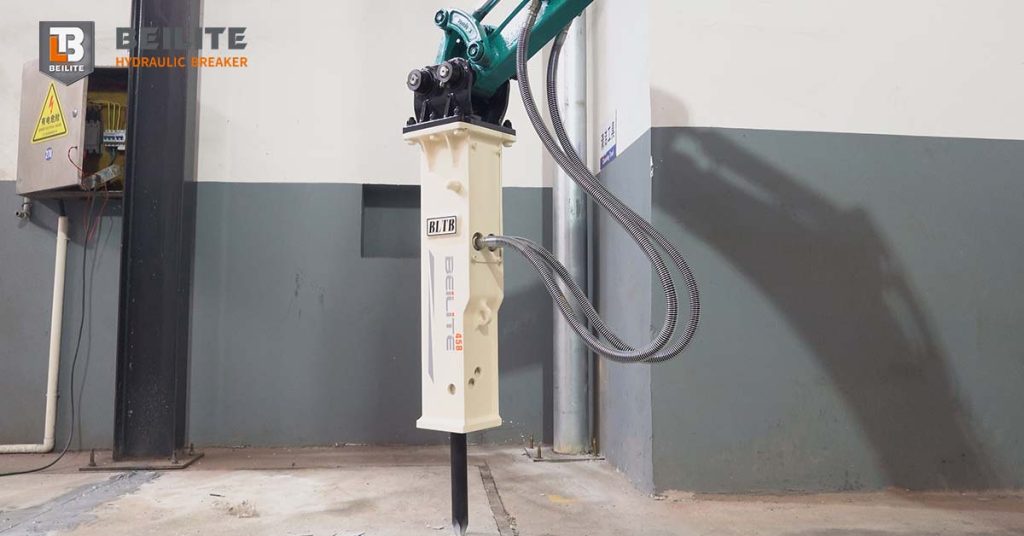
When it comes to mining, quarrying, construction, demolition, and excavation projects, few tools are as versatile and essential as hydraulic breakers. These powerful machines attachments are responsible for breaking down tough materials like metallurgy, concrete, rock, and asphalt, making them a crucial part of the heavy-duty machinery arsenal. Whether you are a seasoned contractor or just getting started in the construction industry, selecting the right hydraulic breaker can significantly affect the efficiency and cost-effectiveness of your projects.
But with so many options available, how do you choose the right hydraulic breaker? This guide will take you through the key considerations for selecting the perfect demolition breaker or excavation breaker, helping you make an informed decision based on your specific needs.
Understand Core Hydraulic Breakers
A hydraulic breaker, often referred to as a hammer, is a high-powered attachment used with excavators, backhoes, or skid steers to break hard materials. It operates by converting the hydraulic pressure from the carrier machine into impact energy, which is then delivered to the tool bit. These machines are typically used in heavy demolition tasks, breaking up concrete, rock, or other rigid materials, and can be found on construction sites, mining operations, and roadwork projects.
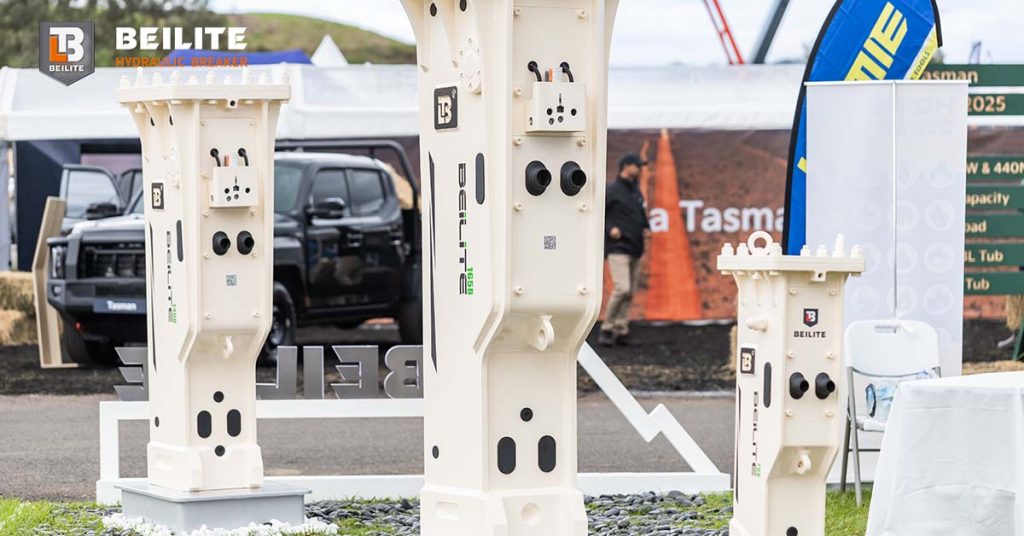
Hydraulic breakers come in a variety of sizes, from small models used for residential demolition to large, heavy-duty hammers for massive construction sites and quarries. Understanding the different types and their applications is the first step in choosing the right one for your project. For example, Beilite BLT Models Hydraulic Hammers are sized to 0.5 to 350 ton Excavators, Backhoe Loaders, Skid Steers etc.
Different Types of Hydraulic Breakers
Light-duty Hydraulic Breakers or Small Hydraulic Breaker for Mini Excavators
These are typically used in smaller-scale applications such as roadwork, landscaping, and demolition of low-density concrete. These small hydraulic hammer or hydraulic breakers are comprising between 0.5 ton to 14 ton excavator. Light-duty breakers have a lower impact force and are ideal for soft to medium-strength materials. They work best when mounted on mini-excavators or skid steer loaders.
Medium-duty Hydraulic Breakers for Medium Excavators
Medium-duty breakers strike a balance between power and precision. These hydraulic breakers are perfect for general construction tasks, including road and bridge repairs or breaking rock and concrete in urban areas. They are usually mounted on mid-sized 14 ton to 100 ton excavators and can break through harder materials more efficiently.
Heavy-duty Hydraulic Breakers for Heavy-duty Excavators
Designed for large-scale construction and mining operations, heavy-duty breakers deliver immense force and impact. These heavy-duty hydraulic breakers are sized for 100 to 350 ton excavators case of Beilite BLT Brands. They are used in more demanding applications such as demolition of large concrete structures, tunneling, and breaking massive rocks. Mounted on larger excavators, these rock breakers offer enhanced durability and performance, ensuring maximum productivity in challenging environments.
Specialized Hydraulic Breakers for Underwater and Frozen Winter Applications
Some applications, such as frozen rock ices and underwater demolition or highly precise breaking, require specialized hydraulic breakers. These tools are designed with specific features to suit unique conditions like underwater operations, tight spaces, or extreme temperatures. Frozen winter application required specialized hydraulic breakers that can resist lower temperature under -50 degree Celsius and protected with features that can protect component from humidity. Furthermore, underwater hydraulic breakers also protected with advanced features that can protect water enter inside components and humidity impact.
Key Factors to Consider When Choosing a Hydraulic Breaker
When selecting a hydraulic breaker or hydraulic hammer or rock breaker, several factors can influence your decision. Here are the most important considerations:
Carrier Machine Compatibility Such Excavator, Backhoe Loader and Skid Steer
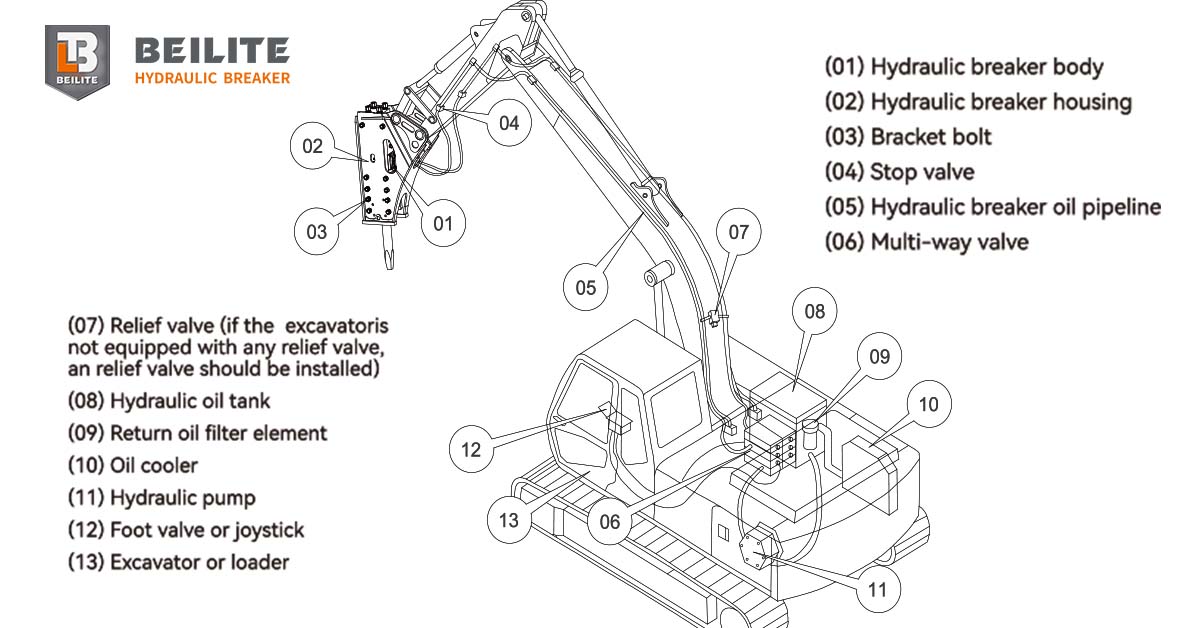
The first step is ensuring that the hydraulic breaker is compatible with the carrier machine that will be operating it. The size and weight of the rock breaker should match the capacity of the carrier machine (excavator, skid steer, etc.). A mismatch in size could lead to poor performance or even damage to both the hydraulic breaker and the carrier machine. Make sure to check the hydraulic flow requirements of the breaker and compare them with the flow rate provided by the carrier.
Hydraulic Breaker Impact Power (Energy Class)
Impact power is one of the most critical specifications to consider when selecting a hydraulic breaker. The power is measured in foot-pounds (ft-lbs) or joules and dictates the breaker’s ability to penetrate hard materials. For instance, if you’re working with reinforced concrete or granite, a breaker with higher impact power will be necessary.
Be mindful that too much impact power can lead to excessive vibration and inefficient performance, so it’s essential to match the energy class of the breaker to the material you are working with.
Hydraulic Breaker Operating Weight
The weight of the hydraulic breaker also plays a role in performance. Heavier breakers offer more impact power, but they require larger, more robust carrier machines. Conversely, lighter breakers provide precision but with reduced force. When choosing the right weight for your breaker, consider the size of your carrier machine and the types of materials you will be breaking.
Tools and Chisels Selection
The type of tool or chisel attached to the hydraulic breaker affects its performance. Flat chisels, pointed chisels, and blunts are all available, each designed for different tasks. For example, a pointed chisel is ideal for breaking rock, while a flat chisel is better for demolition or breaking concrete slabs. Selecting the right chisel for your material type and application is crucial for efficiency and longevity.
Hydraulic Breaker Maintenance and Serviceability
Hydraulic breakers are heavy-duty tools that require regular maintenance to ensure longevity and optimal performance. Look for breakers with easy access to service points, like oil filling points, pressure check valves, and grease lubrication systems. Breakers with simple maintenance requirements are easier to service and repair, reducing downtime on the job site.
Hydraulic Breaker Noise and Vibration Control
Hydraulic breakers generate a significant amount of noise and vibration, which can pose safety risks and affect operator comfort. Modern hydraulic breakers are often equipped with anti-vibration and noise-reduction features, which can increase operator safety and reduce the risk of injury. If you are working in urban areas or near sensitive locations, consider investing in breakers with lower noise and vibration levels.
How to Maximize the Life of Your Hydraulic Breaker
To get the most out of your hydraulic breaker, proper operation and maintenance are crucial. Here are some tips for extending the life of your breaker:
- Regular Lubrication: Ensure that the breaker is properly lubricated at regular intervals to reduce wear and tear.
- Proper Storage: When not in use, store the hydraulic breaker in a dry and clean environment to prevent corrosion and damage.
- Routine Inspections: Regularly inspect the tool’s components, such as the chisel, retaining pins, and hydraulic hoses, for signs of wear or damage.
Summary
Choosing the right hydraulic breaker for your demolition or excavation project can make all the difference in terms of efficiency, cost-effectiveness, and safety. By considering factors like carrier machine compatibility, impact power, and maintenance needs, you can select the ideal breaker to suit your specific project requirements. Investing in a high-quality hydraulic breaker will not only improve productivity but also ensure that your machinery is working at peak performance.
FAQs
What is the difference between light-duty and heavy-duty hydraulic breakers?
Light-duty hydraulic breakers are designed for smaller, less demanding tasks like roadwork and landscaping, offering lower impact power. Heavy-duty breakers, on the other hand, deliver higher impact force and are used for large-scale demolition or mining operations.
How do I know if my carrier machine is compatible with the hydraulic breaker?
Check the hydraulic flow requirements of the breaker and compare them to the flow rate provided by your machine and operating weight. It’s essential that the machine can support the breaker’s size, weight, and hydraulic requirements to avoid damage or performance issues.
What is the best way to maintain a hydraulic breaker?
Regular maintenance includes lubricating moving parts, inspecting for wear and tear, and ensuring the tool is properly stored when not in use. Following the manufacturer’s maintenance guidelines can extend the lifespan of your breaker.
Beilite Machinery Co., Ltd.
40008-40008
info@beilite.com