 English
 Indonesian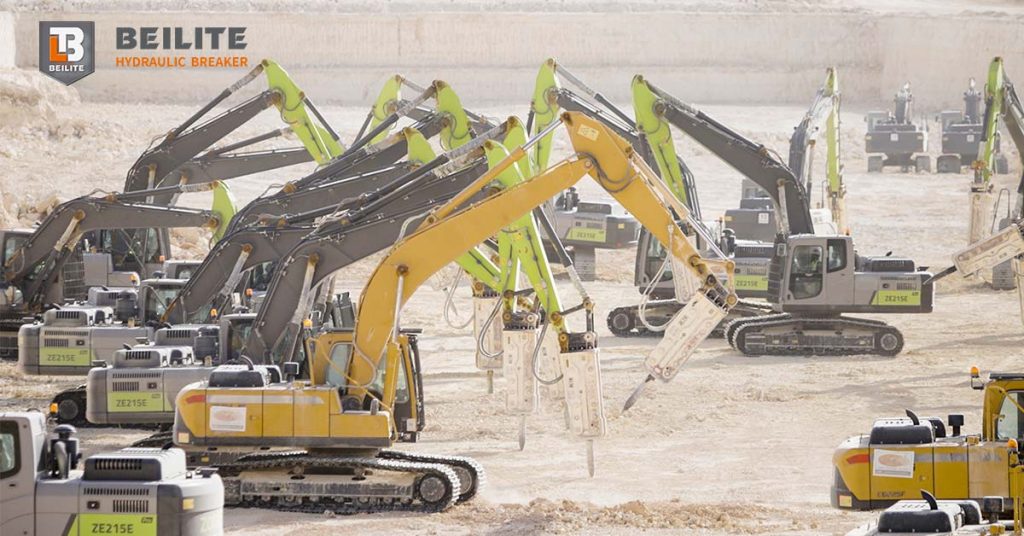
Excavator Hydraulic Breaker for Earthmoving
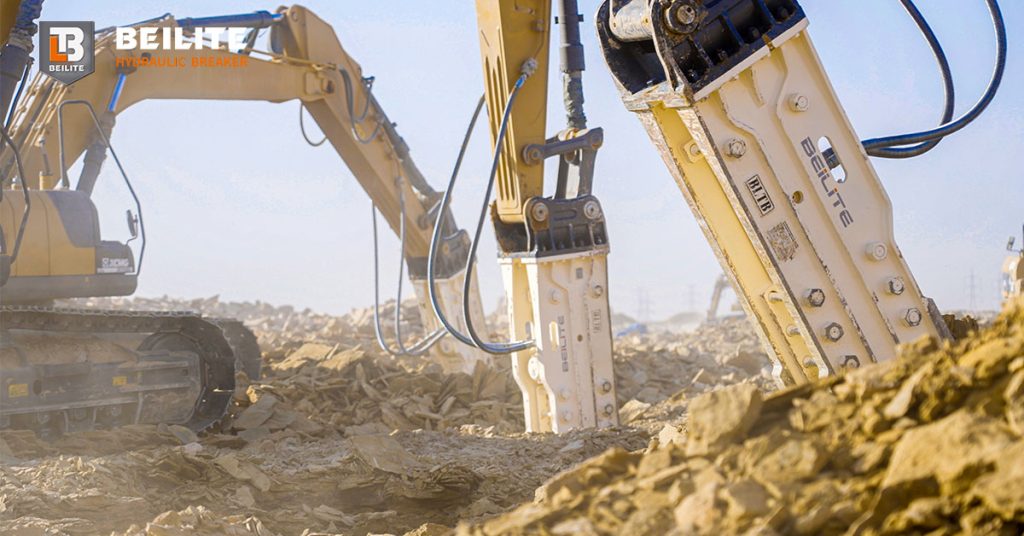
Excavator hydraulic breakers have become indispensable tools in modern earthmoving projects. Whether you are tackling demolition work, rock excavation, or foundation removal, understanding how to maximize your hydraulic breaker’s performance directly impacts your project profitability and timeline. This comprehensive guide walks you through everything contractors and operators need to know about hydraulic breaker operation, from equipment selection to field best practices.
What Is an Excavator Hydraulic Breaker?
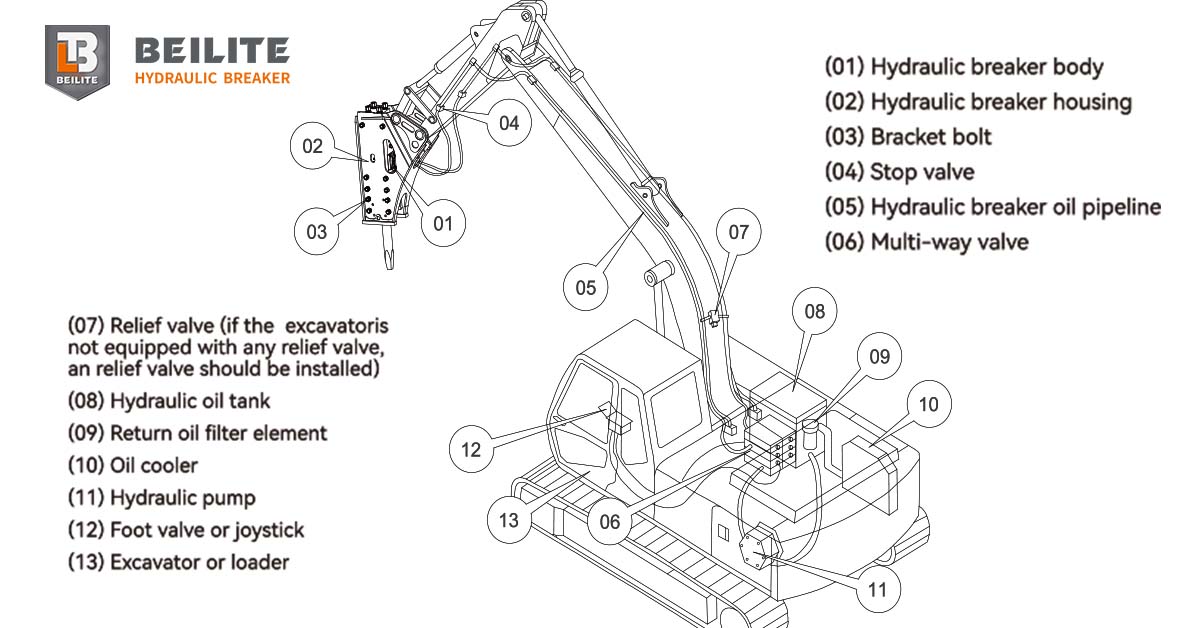
An excavator hydraulic breaker, also called a hydraulic hammer or rock breaker attachment, converts your excavator’s hydraulic power into high-impact striking force. These heavy equipment attachments deliver between 400 and 10,000 foot-pounds of impact energy depending on the model, making them essential construction equipment for breaking concrete, rock, and other hard materials.
Unlike traditional jackhammers requiring separate power sources, hydraulic hammer breakers integrate seamlessly with your excavator’s existing hydraulic system. This integration provides superior breaking power while maintaining the mobility and precision operators demand on active job sites.
Customer Demands Shaping Today’s Hydraulic Breaker Market
Construction companies face unprecedented pressure to deliver projects faster and more cost-effectively. These market forces directly influence what customers prioritize when selecting excavator attachments.
Rapid Project Completion: Time is money in earthmoving projects. Contractors consistently report that hammer hydraulic breaker efficiency determines whether projects finish on schedule or incur costly delays. A properly matched breaker can demolish concrete 70% faster than manual methods, turning weeks of work into days.
Equipment Versatility: Modern contractors refuse to invest in single-purpose tools. The best hydraulic breakers for excavators handle multiple applications foundation demolition on Monday, trenching through bedrock on Tuesday, and road demolition by week’s end. This versatility maximizes equipment utilization rates and improves return on investment.
Lower Operating Costs: Fuel consumption, maintenance expenses, and repair frequencies directly affect profit margins. Customers demand hydraulic breaker models with proven durability and reasonable maintenance intervals. Equipment that requires constant repairs or excessive downtime simply doesn’t survive in competitive bidding environments.
Regulatory Compliance: Noise regulations, vibration limits, and environmental standards grow stricter annually. Contractors need demolition equipment that meets or exceeds current standards while anticipating future requirements. Silent breaker technology and low-emission excavators increasingly influence purchasing decisions.
Operator Demands: What Really Matters in the Field
Equipment specifications matter less than real-world performance when operators spend eight-hour shifts behind the controls. Understanding these field priorities helps both equipment buyers and rental companies provide superior solutions.
Hydraulic Hammer Vibration Control and Operator Comfort
Excessive vibration causes operator fatigue, reduces accuracy, and contributes to long-term health issues. Modern hydraulic hammer attachments incorporate advanced damping systems that reduce vibration transfer by lowest than traditional. This is not luxury it’s necessity for maintaining productive, healthy crews.
Operators specifically value hammer breakers with isolated mounting systems and cushioned control mechanisms. When comparing rental options, ask about anti-vibration features and request operator testimonials about comfort during extended use.
Intuitive Controls and Quick Setup of the Hydraulic Breaker
Complicated startup procedures waste billable hours. Operators prefer hydraulic breakers with straightforward connection processes, clear maintenance access points, and minimal adjustment requirements. The best rock breaker attachments feature tool-free inspection covers and color-coded maintenance points.
Quick coupler compatibility also ranks high on operator wishlists. Systems allowing attachment changes in under three minutes maximize productivity when projects demand multiple tool types throughout the day.
Consistent Performance Across Materials
Earthmoving projects rarely involve uniform materials. Operators need hydraulic breakers that maintain effectiveness, whether breaking reinforced concrete, natural rock formations, or frozen ground. Variable power settings give operators control to match breaking force with material resistance, preventing both underpowered attempts and excessive tool wear.
How to Select the Right Hydraulic Breaker for Your Excavator / Backhoe /Loader
Matching hammer breakers to carriers involves more than checking weight specifications. Follow this systematic approach to ensure optimal performance and equipment longevity.
Step 1: Verify Your Hydraulic Breaker Hydraulic Compatibility
Check your excavator’s hydraulic flow rate (GPM or LPM) and operating pressure (PSI or bar). Hydraulic breakers require specific flow ranges . Too little flow means insufficient striking power, while excessive flow causes accelerated wear and potential damage.
Most manufacturers provide compatibility charts cross-referencing excavator models with appropriate breaker sizes. When renting excavator attachments, verify these specifications before delivery to avoid costly compatibility issues.
Step 2: Match Hydraulic Breaker Weight to Carrier Size
The hammer breaker should weigh between 2-10% of your excavator’s operating weight. For example, a 20-ton excavator typically handles breakers weighing 800-2,000 pounds effectively. Oversized breakers compromise stability and control, while undersized units deliver insufficient breaking power.
Step 3: Consider Your Primary Applications
Different hydraulic breaker designs excel at specific tasks. Demolition-focused models prioritize raw impact force for concrete work, while rock excavation breakers emphasize sustained performance and heat management. Identify your most frequent application and prioritize breakers optimized for that work.
Step 4: Evaluate Chisel (Tool) Steel Quality
Hammer breaker tools (chisels) represent ongoing operational costs. High-quality tool steel specifications extend service life significantly. Ask about tool steel hardness ratings (typically HRC 52-58) and replacement costs when comparing options. Cheap tools requiring frequent replacement quickly negate initial savings.
Best Practices for Hydraulic Breaker Operation
Proper technique extends equipment life while maximizing breaking efficiency. These field-proven practices help operators deliver superior results.
Maintain Proper Strike Angle: Position the rock breaker perpendicular to the work surface. Angled strikes reduce breaking effectiveness by 40% and accelerate tool wear. Take time to reposition your excavator rather than forcing awkward angles.
Use Appropriate Pressure: Don’t force the breaker into materials. Let the tool’s weight and striking action do the work. Excessive downward pressure damages the breaker’s internal components and the excavator’s boom structure.
Allow Tool Warm-Up: Run the breaker for 10-15 minutes before applying full load. This circulates hydraulic fluid through the system and ensures proper lubrication before high-impact work begins.
Monitor Hydraulic Temperature: Hydraulic breaker operation generates significant heat. Watch your excavator’s hydraulic temperature gauge, especially during extended breaking sessions. Overheated hydraulic systems reduce efficiency and risk component damage.
Perform Daily Inspections: Check hydraulic connections for leaks, verify tool retention pins are secure, and inspect accumulator charge (if applicable). Five minutes of daily inspection prevents hours of unplanned downtime.
Marketing Strategies for Hydraulic Breaker Suppliers
Equipment suppliers and rental companies succeed by aligning their offerings with genuine customer needs rather than pushing generic solutions.
Demonstrate Total Value: Create side-by-side comparisons showing how premium hydraulic breakers complete projects faster despite higher rental rates. Document actual job site metrics cubic yards broken per hour, project completion times, fuel consumption that prove efficiency trumps daily rate considerations.
Offer Application Expertise: Position your team as consultants, not just equipment providers. Help contractors match specific breakers to their project requirements. This consultative approach builds loyalty and differentiates you from competitors focused solely on transactions.
Provide Operator Training: Schedule hands-on training sessions teaching proper hydraulic rock breaker techniques, maintenance procedures, and troubleshooting basics. Confident operators become your best advocates, requesting your equipment on subsequent projects.
Showcase Fleet Diversity: Maintain breaker inventory spanning multiple size classes and specializations. Contractors value suppliers offering comprehensive solutions rather than forcing compromise on equipment selection.
Build Transparent Maintenance Records: Document and share maintenance history on rental equipment. Contractors appreciate knowing they’re receiving well-maintained tools backed by preventive service programs.
Maximizing ROI on Hydraulic Breaker Investments
Whether buying or renting, these strategies ensure you extract maximum value from excavator hydraulic hammer breakers.
Track Performance Metrics: Log breaking rates, fuel consumption, and maintenance intervals. This data informs future equipment decisions and helps negotiate favorable rental terms based on actual utilization.
Invest in Operator Training: Skilled operators complete work 30-50% faster while reducing equipment damage. Training programs pay for themselves within weeks through improved productivity and lower repair costs.
Schedule Preventive Maintenance: Follow manufacturer maintenance schedules religiously. Neglected hydraulic breakers fail at the worst possible moments typically mid-project when rental replacements carry premium rates.
Match Tools to Materials: Using correct chisel types for specific materials dramatically improves efficiency. Maintain small inventories of pointed, blunt, and moil-point tools to optimize performance across varying conditions.
Make the Right Excavator Equipment Decision
Success with excavator hydraulic breakers starts with honest assessment of your actual needs versus convenient assumptions. The largest breaker isn’t always best, nor does the lowest rental rate guarantee value.
Consider your typical project profiles, operator experience levels, and existing excavator fleet capabilities. These factors matter more than manufacturer marketing claims when determining real-world effectiveness.
For contractors handling consistent breaking work exceeding 100 days annually, purchasing makes financial sense. Occasional users benefit from rental flexibility without capital commitment or maintenance responsibilities.
Ready to transform your earthmoving efficiency? Evaluate your next three projects against your current equipment capabilities. The productivity gap between adequate attachments tools and optimized solutions often surprises even experienced contractors.
Beilite Machinery Co., Ltd.
40008-40008
info@beilite.com
+6282321982255
Keywords:
Excavator hydraulic breaker
Hydraulic hammer breaker
Rock breaker
Hydraulic hammer
rock breaker attachment
Heavy equipment attachments
construction equipment
Earthmoving projects
demolition equipment
Hydraulic breaker operation
excavator attachments
Rock excavation
foundation demolition
Tool steel specifications
quick coupler
Rapid project completion demands
Equipment versatility requirements
Lower operating costs priorities
Regulatory compliance needs
ROI considerations for buy vs. rent decisions
Vibration control and comfort
Intuitive controls and quick setup
Consistent performance needs
Best practices for field operation
Daily maintenance procedures
Marketing Strategy Elements:
Total value demonstration approach
Application expertise positioning
Operator training as differentiator
Fleet diversity importance
Transparent maintenance records