 English
 Indonesian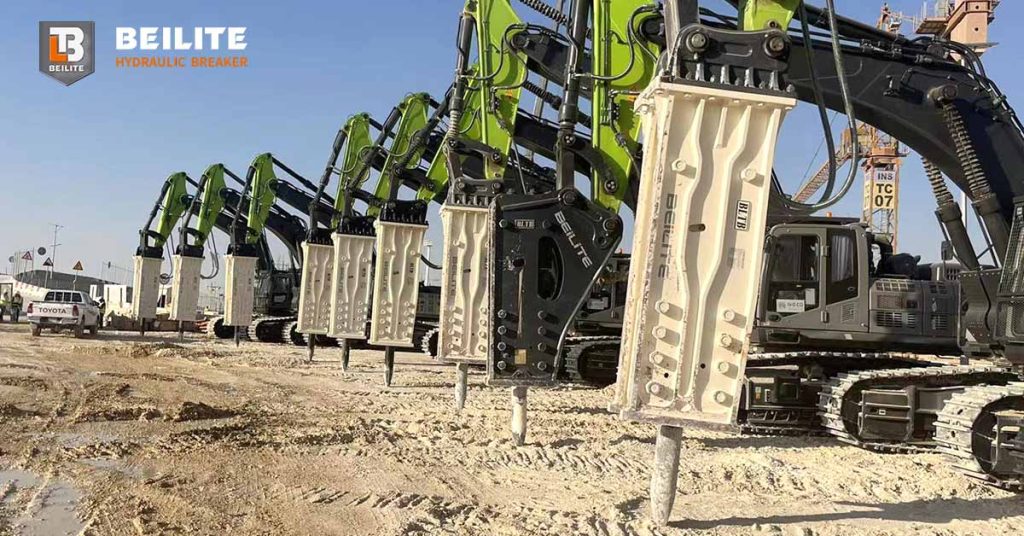
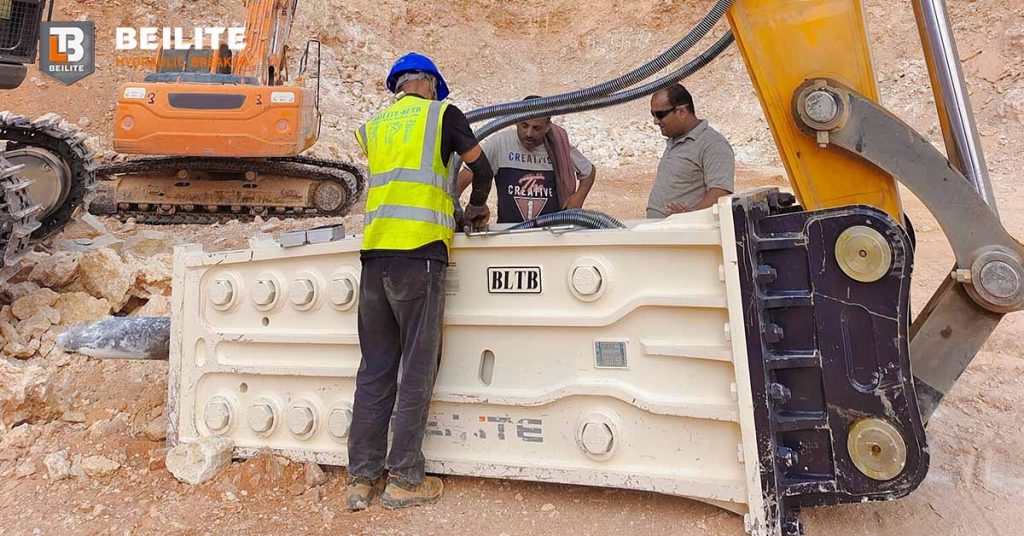
In the world of heavy construction and demolition, hydraulic hammers are essential tools for breaking rock, concrete, asphalt, and other tough materials. Whether you’re working on road construction, mining, or demolition projects, the impact energy of your hydraulic hammer plays a key role in how efficiently and effectively it performs.
But what exactly is impact energy, and how does it affect the overall performance of your hydraulic hammer? More importantly, how do you choose the right hammer with the appropriate energy output for your specific needs?
In this blog, we’ll explore the science of impact energy measured in joules (J) and ft-lbs (foot-pounds) and explain why it matters when choosing a premium hydraulic hammer for your construction or demolition projects.
What is Impact Energy in Hydraulic Hammers?
Impact energy refers to the amount of force generated by the hammer’s piston as it strikes a material. The hydraulic hammer works by transferring hydraulic energy into the piston, which then strikes the tool (like a chisel or moil point) with tremendous force. This force is what breaks through hard materials.
Impact energy is typically measured in joules (J) or ft-lbs (foot-pounds), which represent the energy transferred per impact:
- 1 Joule is equal to 0.73756 foot-pounds (ft-lbs)
- 1 foot-pound is equal to 1.3558 joules
For example, if a hydraulic hammer generates 10,000 joules, it produces approximately 7,375 ft-lbs of impact energy per strike.
Why is Hydraulic hammer Impact Energy Important?
The higher the impact energy, the more force the hydraulic hammer delivers with each strike. This directly correlates to the hammer’s ability to break tough materials like concrete, rock, and asphalt. Higher energy levels are necessary for more challenging applications, such as mining or quarrying.
Key Takeaways:
- Higher impact energy means more power for breaking tough materials
- The energy is measured in joules (J) or foot-pounds (ft-lbs)
The right energy level depends on the type of material being broken and the job’s requirements
How Impact Energy Affects Hammer Performance
1. Material Penetration and Breaking Ability
A premium hydraulic hammer with high impact energy is ideal for tasks like breaking hard rock, reinforced concrete, or thick asphalt. The increased energy delivered by the hammer allows it to penetrate tougher materials more efficiently.
For example, on construction sites in urban areas or infrastructure projects, where operators are often dealing with reinforced concrete or dense materials, having a hydraulic hammer with the right level of impact energy ensures that tasks are completed quicker and with less machine wear.
2. Efficiency and Productivity
Higher impact energy reduces the number of blows required to break through tough materials, resulting in faster completion of tasks. This boosts efficiency and productivity, especially on large-scale projects that need to meet strict timelines.
For mining operations in Indonesia or other parts of Southeast Asia, where large quantities of material need to be processed, having a hydraulic hammer with sufficient impact energy ensures that excavators can break rock quickly, reducing delays and cutting down on fuel consumption.
3. Reduce Machine Wear and Tear
Choosing a hydraulic hammer with too much impact energy for a project can cause excessive vibration and shock to the machine, leading to faster wear and tear. However, a hammer with an appropriately matched energy level can extend the service life of both the breaker and the carrier machine, ensuring reliable performance over time.
Conversely, too little impact energy results in inefficiency and slower material breakdown, which can increase operating costs and extend project duration.
Choose the Right Impact Energy for Your Project
When selecting a hydraulic hammer, choosing the right impact energy is critical to optimizing performance and ensuring project success. The right level of energy depends on several factors:
1. Material Type
- Soft materials like asphalt and loose soil require less impact energy
- Medium-hard materials like concrete and granite need moderate energy
- Hard rock and reinforced concrete require high-impact energy
For instance, if you’re working on road construction in Jakarta, where you’re dealing with asphalt and softer material, a hammer with lower impact energy may be sufficient. On the other hand, for mining or quarrying operations in Kalimantan, where rock-breaking is a major task, a high-energy hydraulic hammer with more joules or ft-lbs would be ideal.
2. Project Scale and Type
- Large-scale construction projects, such as tunneling or foundation work, will benefit from high-energy hammers
- Smaller demolition jobs can use a hammer with a lower impact energy output
For contractors in Indonesia who deal with various types of projects, investing in premium hydraulic hammers with adjustable energy settings allows you to fine-tune the power depending on the task.
3. Hydraulic System Compatibility
Hydraulic hammers are designed to work with specific excavator hydraulic systems. It’s essential to ensure that the breaker you choose matches the hydraulic flow and pressure capacity of your machine. This will help ensure that the impact energy is efficiently utilized, without overloading the system.
Summary: Choosing the Best Premium Hydraulic Hammer for Your Needs
When it comes to hydraulic hammers, impact energy is one of the most critical factors that determine your equipment’s performance and efficiency. Whether you need a hammer for construction, mining, or demolition, selecting the right impact energy for your material and project will make all the difference in productivity and equipment lifespan.
Investing in premium hydraulic hammers ensures that your operation runs smoothly, reduces downtime, and meets your jobsite requirements. Whether you’re breaking rock, concrete, or asphalt, understanding impact energy in joules or ft-lbs helps you choose the right tool for the job.
By carefully assessing your project’s needs and matching them with the right level of impact energy, you can achieve better results in less time and with greater efficiency.
Keywords:
Hydraulic hammer impact energy, premium hydraulic hammer, impact energy for demolition
FAQs
1. What is the ideal impact energy for a hydraulic hammer used in mining?
For mining operations, you’ll typically need a high-impact hydraulic hammer with energy in the range of 6,000 to 20,000 joules or 4,500 to 15,000 ft-lbs, depending on the hardness of the material being processed.
2. Can I adjust the impact energy of my hydraulic hammer?
Some premium hydraulic hammers offer adjustable settings, allowing you to modify the impact energy based on your project requirements. This helps optimize performance across various materials.
3. How does impact energy affect the lifespan of my hydraulic hammer?
Choosing the right impact energy ensures the breaker operates efficiently without putting excess strain on internal components. Using too much energy for softer materials can increase wear and tear, reducing the hammer’s lifespan.
Beilite Machinery Co., Ltd.
40008-40008
info@beilite.com