 English
 Indonesian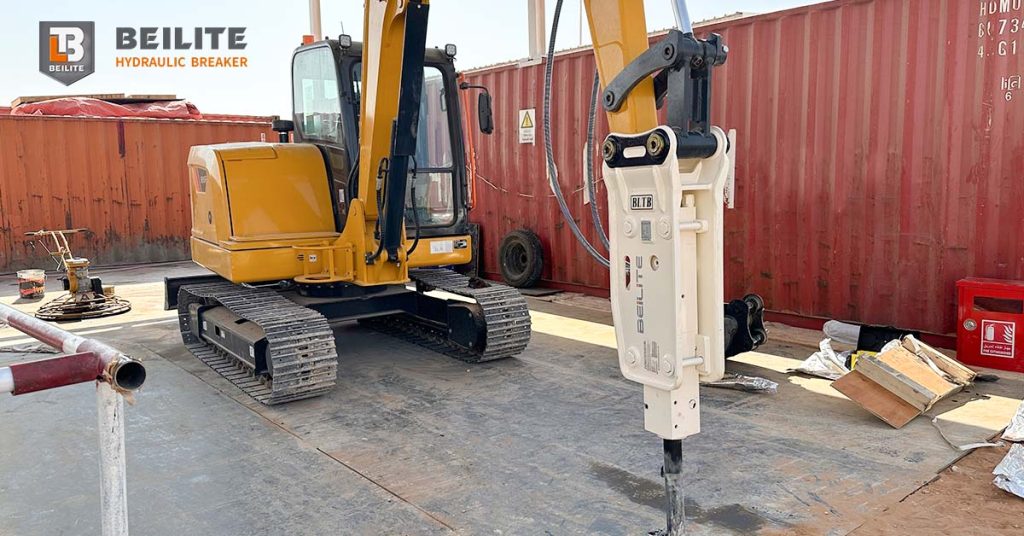
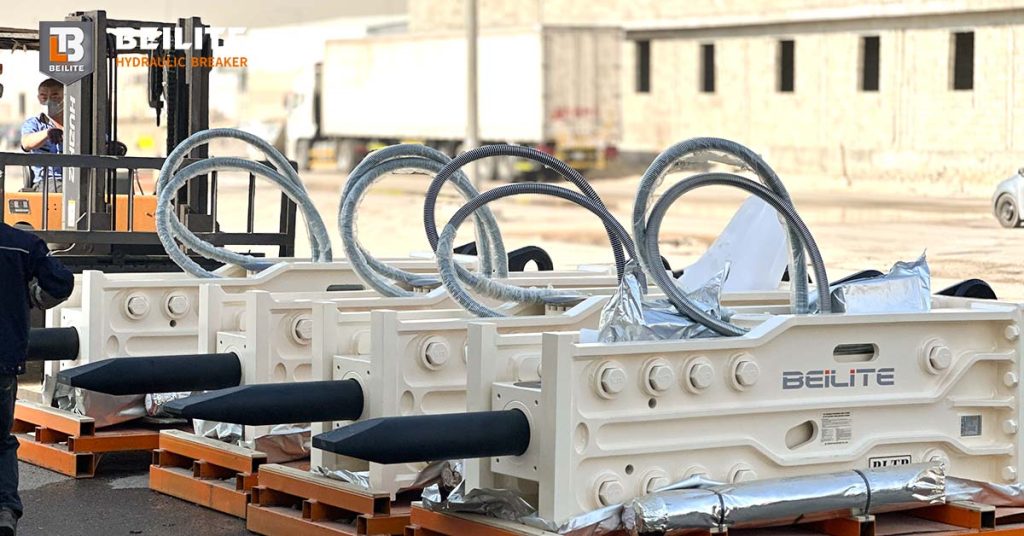
When it comes to heavy-duty infrastructure construction, demolition work, and mining excavation, hydraulic breakers for excavators are an indispensable equipment for breaking up concrete, rocks, asphalt, and other tough materials. Whether you are in the construction, mining, and demolition industry, investing in the right hydraulic breakers can greatly impact the efficiency and success of your projects.
But with so many models and brands available on the market, how do you choose the right one for your excavator? In this blog, we will provide you through the key factors to consider before buying your first hydraulic breaker to ensure you make the right choice.
1. Make Sure the Compatibility of Hydraulic Breaker with Your Excavator
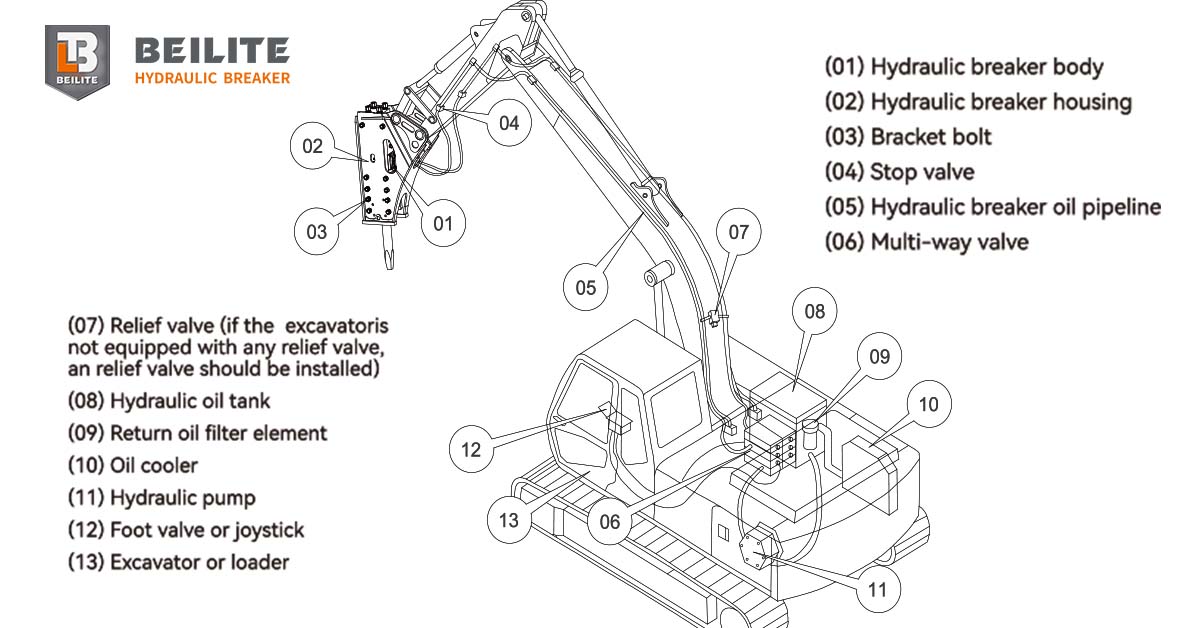
Before purchasing a hydraulic breaker, you must first ensure that the excavator breaker is compatible with your excavator. Hydraulic breakers come in different sizes and power levels, and the right one should match the weight class and hydraulic flow rate of your excavator.
Key considerations:
Excavator weight: Choose an excavator breaker that suits the size of your excavator. A small breaker on a large excavator could be inefficient, while a heavy breaker on a small excavator could damage the machine.
Hydraulic flow rate: Ensure that the hydraulic system on your excavator is capable of delivering the required flow and pressure for the breaker. Mismatched flow rates can result in underperformance or damage.
Tip: Always check the manufacturer’s recommendations for compatible hydraulic breakers for your specific excavator model.
2. Hydraulic Breakers Impact Energy and Breaking Power
The impact energy and breaking power of a hydraulic breaker are among the most critical specifications to consider. These factors determine the breaker’s effectiveness in demolishing materials.
Impact energy is measured in joules and represents the force the breaker delivers with each strike.
The breaking power affects the efficiency of breaking through tough materials like concrete, stone, or asphalt.
For tougher tasks like breaking large rocks or demolishing thick concrete, you’ll need a breaker with higher impact energy. For lighter work, a smaller breaker with less impact energy may be sufficient.
Tip: Choose a breaker excavator with an appropriate range of impact energy based on the types of materials you will be working with.
3. Hydraulic Breaker Attachment Durability and Build Quality
A hydraulic breaker is a heavy-duty tool subjected to constant stress and wear. The durability of the breaker will affect its performance and longevity. You want to invest in a breaker made from high-quality materials and designed to withstand tough working conditions.
Look for the following features to assess durability:
Strong housing and components: The body and main components should be made of hardened steel or durable alloys to resist wear and impact.
- Anti-vibration technology: Some models feature anti-vibration systems that reduce wear and tear on both the breaker and the operator.
- Sealing and protection: Ensure that the breaker has seals that prevent dirt, dust, and moisture from entering, which can cause internal damage.
- Tip: Read user reviews or consult with professionals to check the reliability and durability of the breaker brand and model.
4. Hydraulic Rock Breakers Ease of Maintenance
Maintenance plays a critical role in ensuring the longevity and efficiency of your hydraulic breaker. Choose an excavator attachment breaker that is easy to maintain and has accessible parts for quick servicing.
Key features to consider include:
Easy access to hydraulic hammers spare parts: Look for a model with easy access to internal parts like pistons and seals for routine maintenance or repairs.
Serviceability: Some excavator breakers offer easy-to-replace spare parts, such as wear parts, which will save you time and money in the long run.
Lubrication system: Ensure that the hydraulic breaker comes with a reliable lubrication system to keep the tool running smoothly and reduce friction.
Tip: Regular maintenance can extend the lifespan of your breaker and minimize downtime on your construction site.
5. Hydraulic Breaker Noise and Vibration Levels
Hydraulic breakers can be loud and produce vibrations, which can be uncomfortable for operators and cause long-term health issues if not properly managed. Look for a breaker that offers noise reduction and vibration damping features to improve both safety and comfort.
Noise levels: Some manufacturers offer breakers that operate at lower noise levels, making them more suitable for urban or noise-sensitive environments.
Vibration control: Excavator Breakers with vibration-damping technology help reduce strain on the operator, making the tool more comfortable to use over long periods.
Tip: If you plan to use the hydraulic breaker in residential or noise-sensitive areas, a quieter model is highly recommended.
6. Hydraulic Breaker Brand Reputation and Warranty
Investing in a high-quality hydraulic breaker from a reputable brand can provide peace of mind, knowing that you are getting a durable and reliable product. Well-known brands often provide better customer service, warranty coverage, and easy access to spare parts.
When comparing brands, look for:
Manufacturer warranty: Choose a breaker excavator with a solid warranty to protect your investment.
Customer support: Make sure the brand offers adequate customer service, technical support, and a network of service centers.
Tip: Choose a well-established brand that offers a good balance of cost and reliability.
7. Cost and Budget
The price of a hydraulic breaker varies greatly depending on its size, impact energy, brand, and additional features. While it’s tempting to go for a budget option, cutting costs could mean sacrificing quality, durability, or performance.
Balance your budget with your project’s requirements:
- For light or occasional use, a mid-range model may suffice.
- For heavy-duty, continuous use, it’s worth investing in a higher-end, more durable breaker.
Tip: Consider the total cost of ownership, including maintenance and repair costs, when determining your budget.
Summary
Buying your first hydraulic breaker for an excavator is an important decision that requires careful consideration of your excavator’s compatibility, the work you intend to do, and the durability and maintenance of the breaker. By evaluating impact energy, noise levels, and other critical factors, you can make an informed decision and select the right tool for your needs. With the right hydraulic breaker, you’ll enhance your productivity and ensure the long-term success of your projects.
Keywords:
Hydraulic breakers for excavators, hydraulic breaker compatibility, excavator attachments, hydraulic breaker impact energy, breaking power of hydraulic breakers, excavator breaker efficiency, durable hydraulic breakers, long-lasting hydraulic breaker, hydraulic breaker build quality, hydraulic breaker maintenance, easy-to-maintain hydraulic breaker, lubrication system for breakers, low-noise hydraulic breaker, vibration control hydraulic breaker, ergonomic hydraulic breaker, best hydraulic breakers, hydraulic breaker warranty, reputable hydraulic breaker brands, cost of hydraulic breakers, budget hydraulic breaker, affordable hydraulic breaker options.
FAQs
1. What size hydraulic breaker do I need for my excavator?
The size of the hydraulic breaker should match the weight and hydraulic capacity of your excavator. Check the manufacturer’s specifications to ensure compatibility and optimal performance.
2. How often should I maintain my hydraulic breaker?
Routine maintenance, such as checking seals, lubricating the parts, and inspecting wear components, should be done regularly, depending on the intensity of use. Refer to the manufacturer’s manual for maintenance intervals.
3. Can I use a hydraulic breaker on any type of material?
Hydraulic breakers are designed for use on concrete, rocks, asphalt, soil excavation, and similar materials. However, always ensure that the breaker’s impact energy matches the material hardness for efficient breaking.
Beilite Machinery Co., Ltd.
40008-40008
info@beilite.com