 English
 Indonesian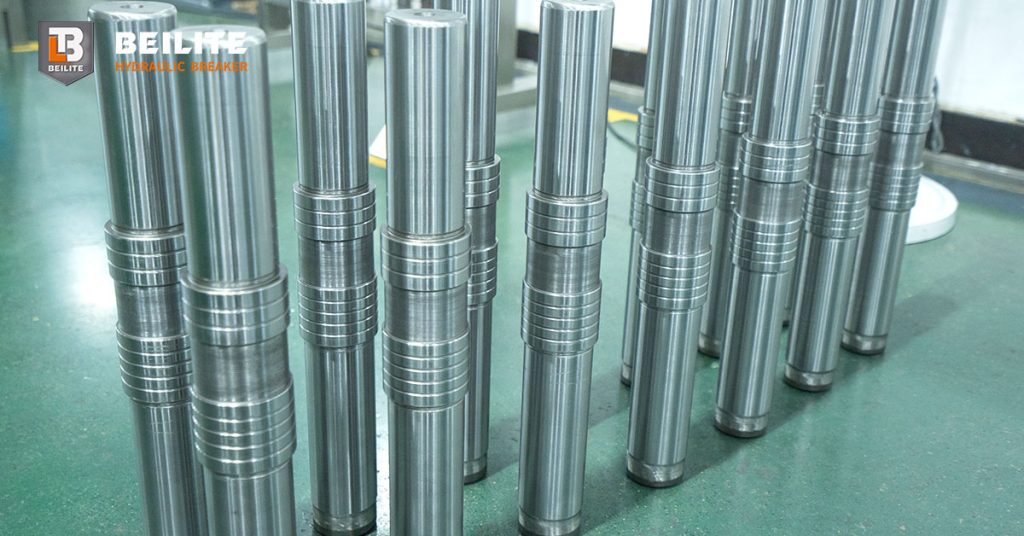
Your Complete Guide to Sourcing, Maintaining, and Replacing Hydraulic Breakers Pistons
Hydraulic breaker pistons often called hydraulic hammer pistons—are among the most critical internal components in a rock breaker. They bear extreme impact force, cycle repeatedly under high pressure, and directly affect the power, efficiency, and hydraulic breaker life or lifespan of your hydraulic hammer. Whether you operate heavy equipment in construction, mining, quarrying, or demolition, sooner or later you will need to replace these core spare parts. Therefore, many contractors and equipment owners ask the same practical question: Where can I find a hydraulic breaker piston that matches my carrier machine brand, Weight, and Oi Pressure?
This blog explains how to source high-quality pistons, what to consider before buying, the common maintenance issues, and why choosing a reliable manufacturer such as Beilite Machinery, a leading global hydraulic breaker supplier for long-term machine performance.
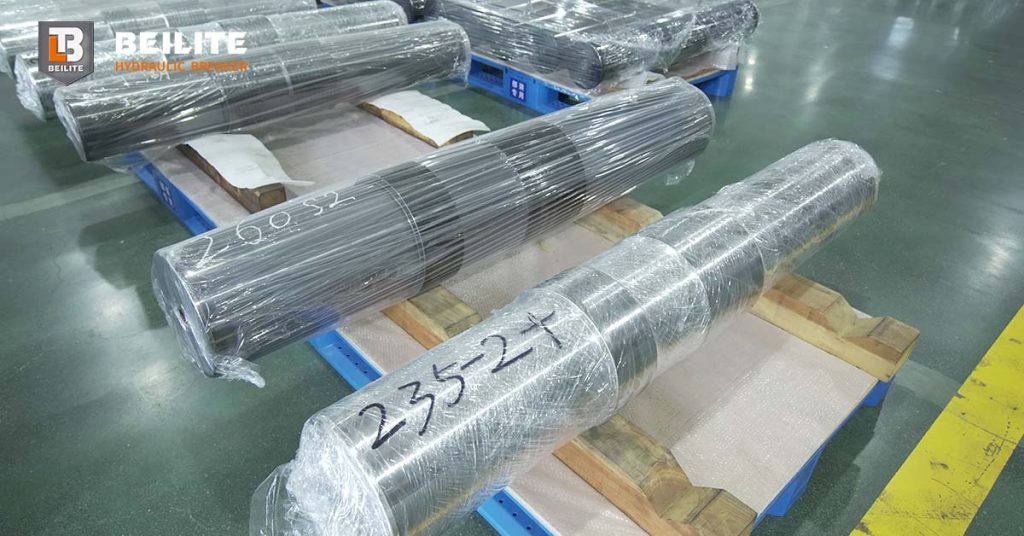
Operators Must Understand the Role of a Hydraulic Breaker Pistons
The piston is the “heart” of a hydraulic breaker or hydraulic hammer, positioned inside the cylinder body. It moves up and down at high velocity, striking the working tool (chisel) and delivering the energy needed to break rock, reinforced concrete, frozen ground, and compacted soil.
A worn or damaged piston reduces impact force, causes oil leakage, increases vibration, and may damage internal seal kits and cylinder liners. As a result, timely replacement with a precision-engineered piston is essential for maintaining productivity and protecting your excavator or skid-steer loader.
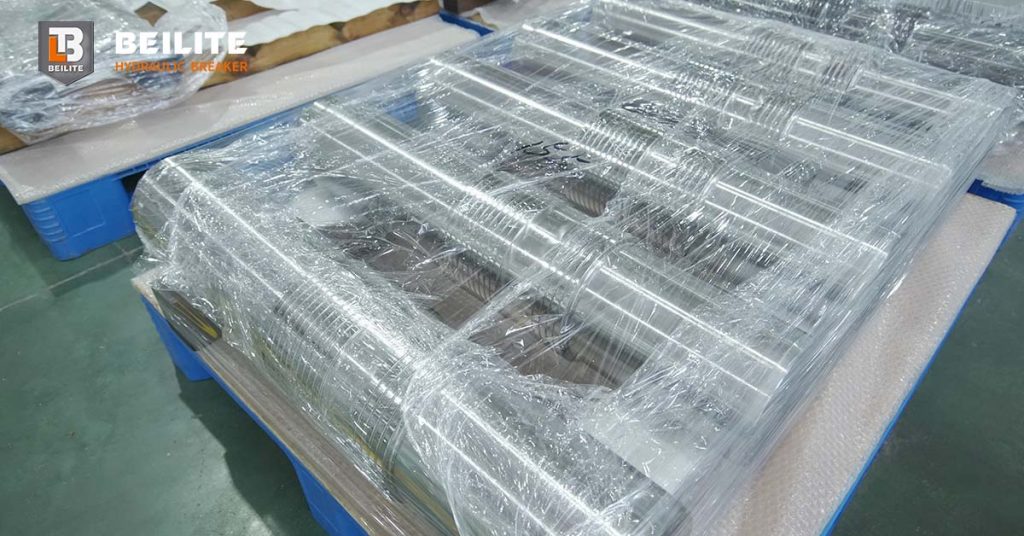
Where to Find High-Quality Hydraulic Breaker Pistons?
1. OEM Hydraulic Breaker Manufacturers
The most reliable source is always the original equipment manufacturer (OEM). Well-known companies like Beilite Hydraulic Breakers (BLT-40 to BLT-280 Models) design pistons using advanced CNC machining, heat treatment, and micro-polishing techniques to guarantee durability and perfect compatibility. OEM pistons also offer longer service life and lower maintenance risks compared to generic aftermarket parts. OEM pistons ensure:
- Correct dimensions and tolerance
- Stable material hardness
- Balanced weight distribution
- Optimized performance for specific breaker models
2. Authorized Dealers and Service Centers
Many local equipment suppliers in Asia, in Middle East, Europe, and in Africa carry hydraulic breaker spare parts such as pistons, seal kits, chisels, and replacement cylinders. Purchasing from an authorized dealer guarantees authenticity and often includes better aftersales support. They can also verify model compatibility avoiding a costly mismatch.
3. Hydraulic Breaker Component Factories
Some professional spare part manufacturers specialize in hydraulic hammer pistons, producing precision components compatible with brands like Beilite, Furukawa, Soosan, Montabert, Rammer, and Atlas Copco. Low-quality pistons are a common cause of internal rock breaker failure, so verification of certifications is crucial. When buying from independent factories, ensure they offer:
- Material certification
- Hardness reports
- CNC precision reports
- Warranty on machining defects
4. Online Equipment Spare Parts Platforms
Platforms such as Alibaba, Made-in-China, and GlobalSources also list pistons for hydraulic breakers. While convenient, buyers must carefully evaluate:
- Manufacturer credibility
- Product specifications
- Customer reviews and return policies
- After-sales support
This option is better suited for whom experienced buyers who understand breaker models and technical compatibility.
Factors to Consider When Choosing a Hydraulic Breaker Piston
Finding a piston is not only about availability it requires technical precision. Before purchasing, evaluate:
1. Compatibility with hydraulic Breaker Model
Check the exact model, such as BLT-40, BLT-68, BLT-195, BLT-280, etc. Even small differences in diameter or length can cause performance failure.
2. Material and Heat Treatment
The best pistons use high-grade alloy steel, heat-treated for impact resistance. Incorrect hardness leads to premature cracking or excessive wear.
3. Surface Finish and Polishing
A polished piston reduces friction, oil temperature, and seal wear improving the breaker’s striking frequency and lifespan.
4. Manufacturing Tolerance
Pistons must fit perfectly inside the cylinder. Poor machining causes leakage, vibration, and energy loss.
Practical Maintenance Tips for Hydraulic Breaker Pistons
Hydraulic breaker pistons are subjected to intense stress, so proper maintenance is essential. Following bellow steps can significantly extends the lifespan of both piston and hydraulic breaker.
Daily Inspections: Check for unusual noise, vibration, or reduced impact power. These symptoms often indicate piston wear or seal damage.
Use the Correct Lubrication Grease: Poor lubrication leads to metal-to-metal contact, increasing piston scoring.
Avoid Dry Firing: Operating the breaker without resistance causes severe piston damage and increases internal temperature.
Check Nitrogen Pressure Regularly: Incorrect pressure affects piston force and can damage the accumulator and internal components.
Maintain Hydraulic Oil Quality: Contaminated oil damages pistons, seals, and the entire hydraulic system.
Why Beilite Hydraulic Breaker Pistons Are Trusted Worldwide?
Beilite Machinery is one of the world’s leading manufacturers of hydraulic rock breakers and spare parts, offering pistons for all BLT Series models from compact hammers for 0.5-ton excavators to heavy-duty breakers for 350-ton machines.
Key advantages include:
- Precision CNC machining
- Ultra-high-strength alloy materials
- Strict quality control and testing
- Consistent performance under extreme working conditions
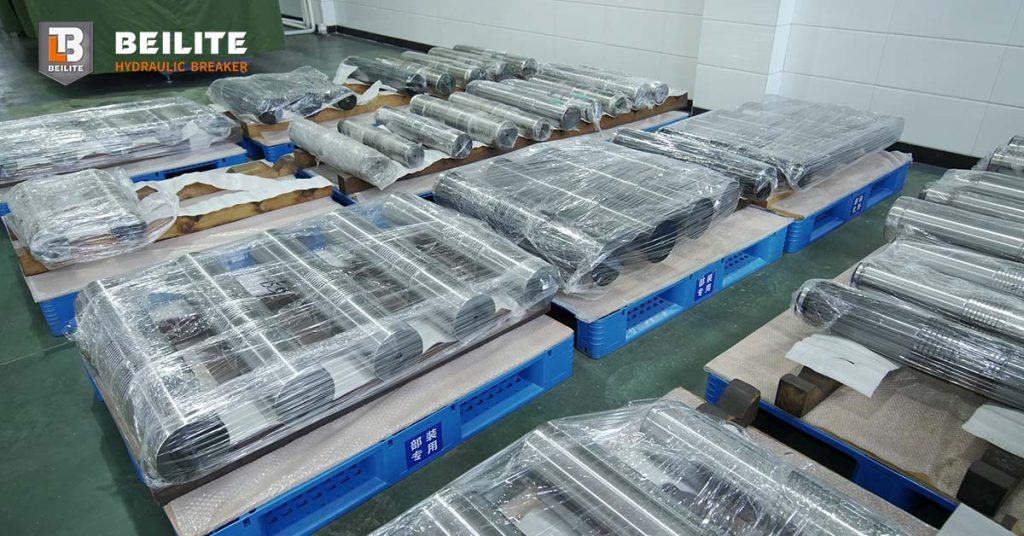
- Global supply, quick shipping, and reliable after-sales support
Contractors those working in mining, demolition, quarrying, tunneling, and construction rely on Beilite for long-lasting, high-impact hydraulic hammer pistons.
FAQs
1. How often should a hydraulic breaker piston be replaced?
Replacement depends on usage hours, working conditions, lubrication, and maintenance. In heavy mining or quarrying, pistons may require replacement every 6–12 months. In lighter construction projects, they may last much longer.
2. Can I use a non-OEM piston for my hydraulic breaker?
It is possible but not recommended. Non-OEM pistons may not match exact tolerances, leading to reduced efficiency, overheating, or seal damage. OEM pistons provide the highest compatibility and reliability.
3. Does Beilite supply hydraulic breaker pistons worldwide?
Beilite Machinery supplies pistons and full spare-parts kits to Southeast Asia, the Middle East, Europe, Africa, and South America, with fast delivery and technical support included.
If you need a reliable hydraulic breaker piston, OEM-quality replacement parts, or full maintenance support, Beilite Machinery offers direct factory supply for all BLT-series models—ensuring durability, impact power, and long-term performance for your hydraulic breaker hammer.
Beilite Machinery Co., Ltd.
40008-40008
info@beilite.com