 English
 Indonesian
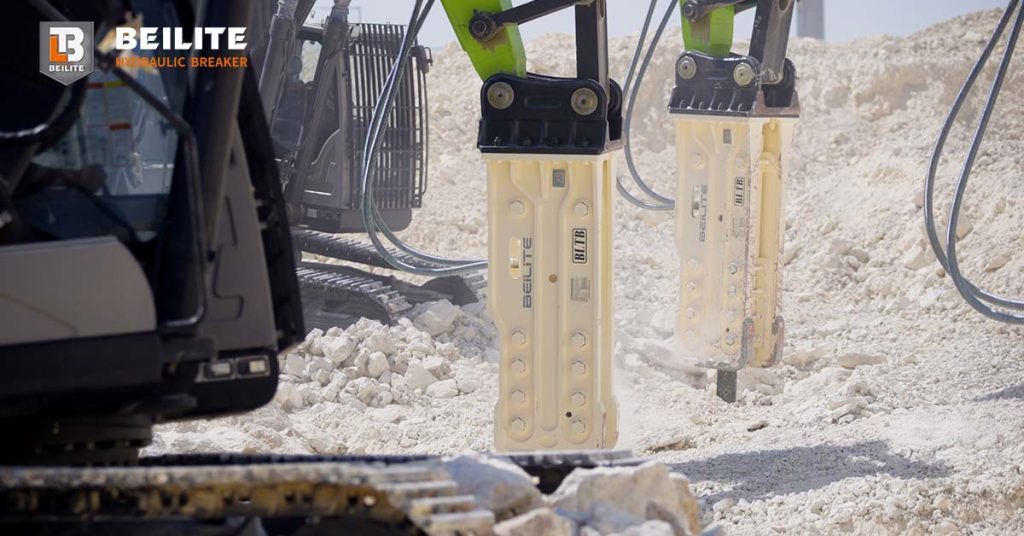
Indonesia is one of the world’s leading producers of coal, nickel, gold, and limestone. From Kalimantan’s vast coal fields to Sulawesi’s growing nickel operations, mining activities continue to expand every year. But operating a mine in Indonesia is not simple. Heavy rainfall, rocky terrain, remote locations, and strict production targets make efficiency a constant challenge.
That’s exactly why a hydraulic rock breaker for excavator has become an essential tool across Indonesian mining sites.
Tough Ground Requires Tough Equipment Like Beilite Hydraulic Rock Breaker
Many Indonesian mining areas are characterized by hard rock layers and oversized boulders. While blasting is commonly used in open-pit mining, it does not always solve every problem. After blasting, large rocks often remain that are too big for crushers. In other cases, controlled excavation is needed near infrastructure or processing facilities where blasting may not be ideal.
A hydraulic rock breaker mounted on an excavator provides the flexibility to break rock precisely and safely. It delivers powerful impact energy that reduces oversized material into manageable pieces, ensuring smooth transportation and processing.
Without a reliable rock breaker, production delays can quickly occur.
Improving Productivity on Site
Time is money in mining. Every hour of machine downtime affects overall output. Hydraulic rock breakers help maintain consistent productivity by:
- Breaking oversized rocks quickly
- Reducing dependency on secondary blasting
- Supporting continuous excavation
- Minimizing crusher blockages
When an excavator is equipped with a high-performance rock breaker, operators can immediately handle unexpected rock formations instead of waiting for additional equipment or blasting teams. This flexibility keeps operations moving and reduces costly interruptions.
Perfect for Indonesia’s Climate and Terrain
Indonesia’s tropical climate brings frequent rain, high humidity, and muddy working conditions. Mining sites often face unstable soil and difficult access routes. Equipment must be durable and able to withstand these harsh environments.
Modern hydraulic rock breakers are designed with heavy-duty materials, sealed hydraulic systems, and reinforced components. This ensures reliable performance even under extreme conditions. When properly maintained, they can operate for long hours without significant wear.
Durability is not just about strength it directly affects operating costs. A strong excavator breaker reduces maintenance frequency and extends service life.
Enhancing Safety Standards
Mining safety is a top priority in Indonesia. Excessive blasting can increase risk, especially near structures or processing areas. Hydraulic rock breakers offer controlled breaking, allowing operators to manage rock fragmentation with precision.
This controlled approach:
- Reduces vibration impact
- Limits flying debris
- Improves operator control
- Enhances overall site safety
Using a hydraulic breaker as a complementary tool to blasting creates a safer and more controlled mining environment.
Versatility Across Mining Operations
A hydraulic rock breaker is not limited to one function. It plays multiple roles across mining operations in Indonesia:
- Secondary rock breaking after blasting
- Trenching and foundation work
- Removing hard overburden layers
- Clearing blockages in crushers
- Supporting quarry and aggregate production
Because it attaches directly to an excavator, switching between bucket and breaker is relatively simple. This adaptability makes it one of the most valuable attachments in mining fleets.
Cost-Effective Long-Term Investment
At first glance, adding a hydraulic rock breaker may seem like an additional expense. However, over time it proves to be a cost-effective investment.
By reducing delays, lowering blasting costs, and improving efficiency, the breaker helps mining companies maintain stable production. Fewer interruptions mean better output per day, which directly impacts revenue.
Additionally, when properly matched to the excavator’s hydraulic capacity, a rock breaker operates efficiently without excessive fuel consumption.
Supporting Indonesia’s Growing Mining Industry
As Indonesia continues to expand its mining and mineral processing sectors, operational efficiency becomes even more important. With increasing global demand for nickel and other resources, mining sites must maintain high productivity standards.
A hydraulic rock breaker for excavator is no longer optional equipment, it is a necessary tool for ensuring smooth, safe, and profitable mining operations. From reducing oversized rock to supporting site preparation, it provides the power and flexibility needed to handle Indonesia’s challenging mining environments.
In short, for Indonesian mining sites, a hydraulic rock breaker is not just an attachment—it is an essential partner in daily operations.
Keywords:
Hydraulic rock breaker for excavator, Indonesian mining equipment, Mining rock breaking solution
FAQs
1. Why is a hydraulic rock breaker better than blasting for mining sites in Indonesia?
Hydraulic rock breakers offer more controlled and precise rock fragmentation compared to blasting. In many Indonesian mining areas especially near villages, forests, or infrastructure—blasting can create safety risks, vibration damage, and regulatory complications. Rock breakers reduce noise, limit fly rock, and allow operators to work safely in confined or sensitive zones.
2. What size hydraulic rock breaker is suitable for Indonesian mining operations?
The right size depends on your excavator class and the hardness of the rock. For coal mining, medium-sized breakers may be sufficient. However, for hard rock mining such as nickel or granite, heavy-duty breakers mounted on 20–245-ton excavators are typically recommended. Always match breaker weight and hydraulic flow requirements with your excavator specifications.
3. How can I extend the lifespan of a hydraulic rock breaker in tropical mining conditions?
Indonesia’s mining environment can be humid, muddy, and abrasive. Regular maintenance is essential. This includes daily inspection of bushings and tool pins, proper greasing intervals, checking nitrogen pressure, and ensuring correct hydraulic flow settings. Using high-quality chisel tools designed for hard rock conditions also significantly increases durability and performance.
Beilite Machinery Co., Ltd.
40008-40008
info@beilite.com