 English
 Indonesian
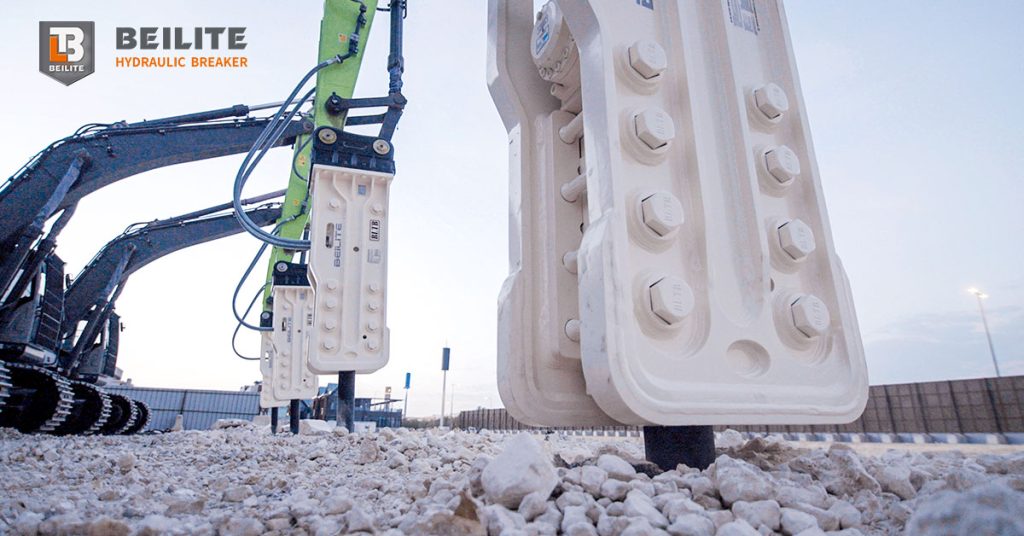
Pipeline construction projects demand precision, reliability, and efficiency especially when it comes to rock breaking and trench excavation. One of the most critical tools on-site is the hydraulic breaker. Choosing the right hydraulic breaker for pipeline construction projects can significantly reduce downtime, lower operating costs, and improve overall job safety.
This guide explains to you the key factors to consider when selecting a hydraulic breaker for pipeline construction, whether you are working on oil & gas pipelines, water supply lines, or underground utility installations.
Why Hydraulic Breakers Are Essential for Pipeline Construction Projects?
Pipeline projects often involve hard rock excavation, concrete breaking, frozen soil, and compacted ground. Hydraulic breakers are widely used because they:
- Deliver high-impact energy for efficient rock breaking
- Fit excavators used in narrow pipeline trenches
- Offer better control compared to blasting
- Reduce environmental and vibration impact
Using the wrong rock breaker, however, can lead to excessive wear, low productivity, and machine damage.
1. Match the Hydraulic Breaker to the Excavator
The first and most important step is compatibility. A hydraulic breaker must match your excavator’s:
- Operating weight
- Hydraulic flow rate (L/min)
- Operating pressure (bar/psi)
An undersized hydraulic breaker will struggle in hard rock, while an oversized hydraulic hammer may overload the excavator’s hydraulic system. For pipeline trenching, mid-range excavators (12–30 tons) paired with side-mounted or top-mounted hydraulic breakers are commonly used.
2. Consider Pipeline Ground Conditions
Pipeline routes often pass through varied terrain. Before choosing a hydraulic breaker, assess:
- Rock hardness (soft limestone vs granite)
- Presence of reinforced concrete
- Soil compaction and frost depth
- Urban vs remote pipeline locations
For hard rock and quarry-like conditions, choose a heavy-duty hydraulic breaker with high impact energy. For urban pipeline projects, low-noise or sound-suppressed hydraulic breakers are ideal to meet environmental regulations.
3. Choose the Right Hydraulic Breaker Type
Different pipeline jobs require different rock breaker configurations:
Side-mounted hydraulic breakers: Ideal for trenching and confined pipeline spaces
Top-mounted hydraulic breakers: Suitable for continuous heavy breaking
Box-type (silenced) breakers: Best for urban pipeline construction
Silenced hydraulic breakers reduce noise and vibration, protecting nearby infrastructure and improving operator comfort.
4. Focus on Durability and Wear Parts
Pipeline projects often run for months in harsh conditions. Look for hydraulic breakers with:
- High-quality alloy steel housing
- Heat-treated chisels and pistons
- Advanced sealing systems to prevent oil leakage
- Replaceable wear bushings
Durable breakers reduce maintenance frequency and keep pipeline projects on schedule.
5. Evaluate Energy Efficiency and Impact Frequency
Modern hydraulic breakers are designed to balance impact energy and blow frequency. For pipeline excavation:
- High impact energy is better for hard rock
- Higher frequency works well for softer materials and concrete
Efficient hydraulic breakers consume less fuel, reduce hydraulic heat buildup, and extend excavator life critical factors in long-distance pipeline projects.
6. After-Sales Support and Spare Parts Availability
Downtime in pipeline construction is expensive. Choose a hydraulic breaker manufacturer or supplier that offers:
- Fast spare parts availability
- Technical support and installation guidance
- Clear maintenance manuals
Reliable after-sales service ensures uninterrupted progress on pipeline installations.
7. Compliance with Safety and Environmental Standards
Pipeline projects often operate under strict regulations. Ensure the hydraulic breaker complies with:
- Noise and vibration standards
- Environmental protection guidelines
- Operator safety requirements
Low-noise hydraulic breakers are especially important in residential or sensitive areas.
Summary
Choosing the right hydraulic breaker for pipeline projects is not just about power it’s about compatibility, durability, efficiency, and support. By matching the rock breaker to your excavator, understanding ground conditions, and prioritizing quality and service, you can significantly improve productivity and reduce operational risks.
A well-chosen hydraulic breaker becomes a long-term asset, ensuring safe, efficient, and cost-effective pipeline construction.
Keywords:
Hydraulic breaker for excavator, excavator hydraulic hammer, pipeline excavation equipment, silenced hydraulic breaker, side-mounted hydraulic breaker, heavy-duty hydraulic breaker
FAQs
1. What size hydraulic breaker is best for pipeline trenching?
For most pipeline projects, hydraulic breakers designed for 12~30-ton excavators are ideal. The exact size depends on rock hardness and trench depth. Beilite offers hydraulic hammers for 5 ton to 350-ton excavators, backhoes, and skid steers.
2. Are silenced hydraulic breakers necessary for pipeline projects?
Yes, especially in urban or residential areas. Silenced hydraulic breakers reduce noise pollution and help meet environmental regulations.
3. How long does a hydraulic breaker last in pipeline construction?
With proper maintenance and quality wear parts, a high-quality hydraulic breaker can last several years, even under demanding pipeline excavation conditions.
Beilite Machinery Co., Ltd.
40008-40008
info@beilite.com