 English
 Indonesian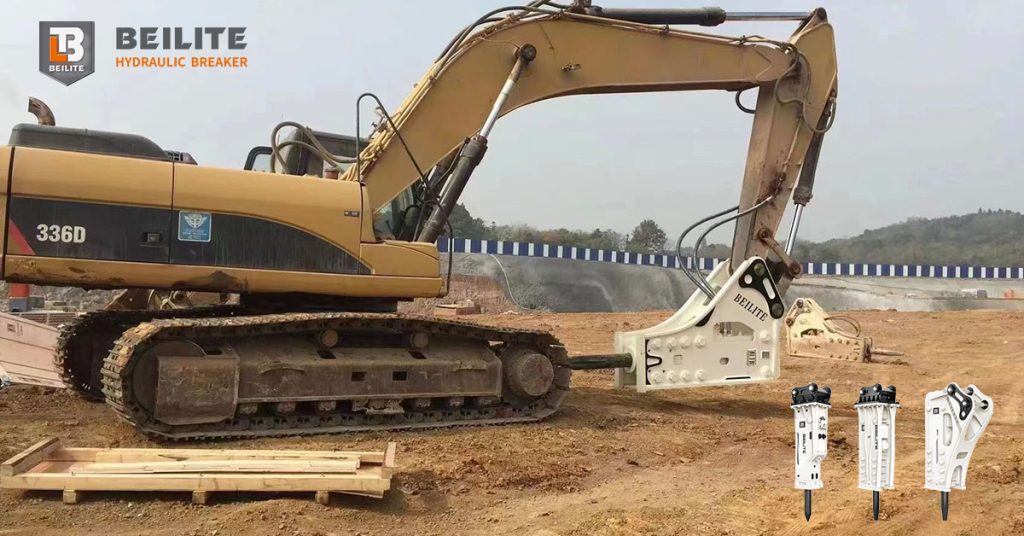
When searching for an excavator attachment, buyers often see two different terms: hydraulic breaker and rock breaker. This creates confusion, especially for contractors and equipment owners looking to purchase the right attachment.
The truth is that in most construction and mining applications, hydraulic breaker and rock breaker refer to the same type of hydraulic impact attachment used for breaking concrete, rocks, and hard materials.
However, the terminology, application focus, and buyer expectations can be different depending on the market.
Understanding the difference helps you choose the correct excavator breaker, avoid unnecessary costs, and improve excavator productivity.
Hydraulic Breaker vs Rock Breaker: Are They the Same?
Hydraulic Breaker
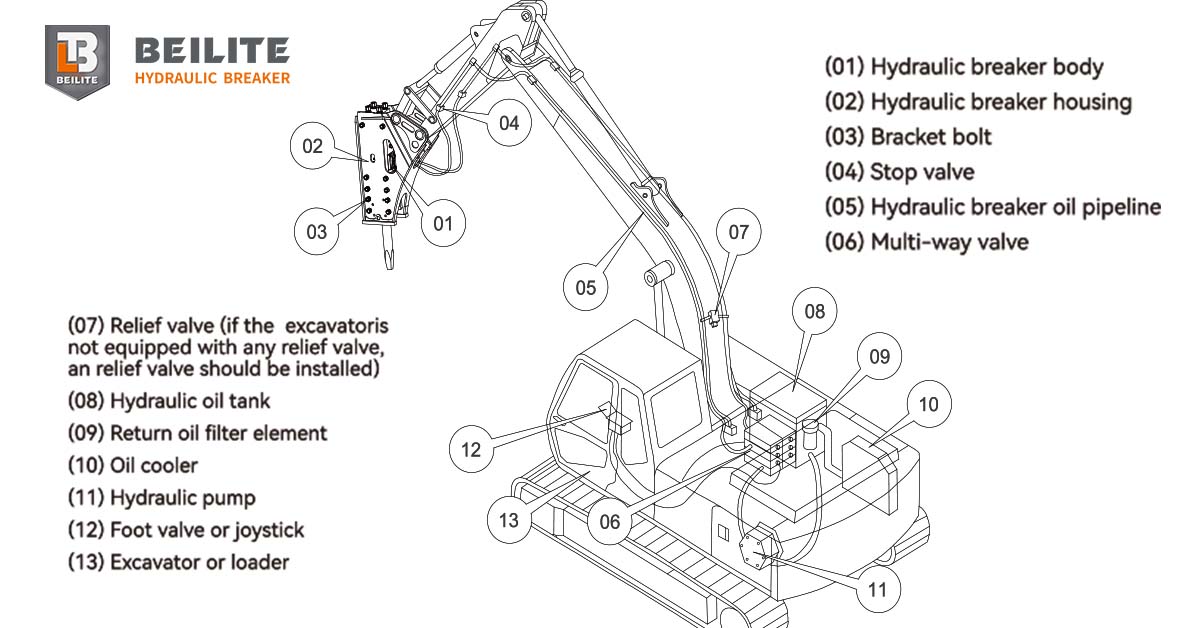
A hydraulic breaker is the professional technical name for an excavator attachment powered by hydraulic pressure.
It uses:
- Hydraulic oil flow from the excavator
- A piston impact mechanism
- Nitrogen gas energy assistance
- A chisel tool to break materials
Common applications:
- Construction demolition
- Road maintenance
- Quarry operations
- Mining
- Foundation work
Rock Breaker
The term rock breaker is commonly used by operators and buyers to describe a breaker used mainly for breaking rocks.
Typical applications:
- Quarry rock breaking
- Mining excavation
- Boulder removal
- Trenching
In many countries, customers search for “rock breaker” because the attachment is strongly associated with rock excavation.
Key Difference Between Hydraulic Breaker and Rock Breaker
| Comparison | Hydraulic Breaker | Rock Breaker |
|---|---|---|
| Meaning | Technical equipment name | Common industry name |
| Main use | Concrete, rock, demolition | Mainly rock and hard materials |
| Power source | Excavator hydraulic system | Excavator hydraulic system |
| Working principle | Hydraulic piston impact | Hydraulic piston impact |
| Attachment type | Same product category | Same product category |
| Buyer search term | Engineers, manufacturers | Operators, contractors |
In most cases, there is no mechanical difference. The difference is mainly the terminology used by buyers.
How to Choose the Right Hydraulic / Rock Breaker?
The correct breaker depends on your excavator and working conditions, not only the name.
1. Match Breaker Size With Excavator Weight
The breaker must match the excavator capacity.
Example:
| Excavator Weight | Typical Breaker Application |
|---|---|
| 1–8 tons | Small construction and concrete work |
| 10–45 tons | General construction and road projects |
| 50–95 tons | Quarry and heavy construction |
| 100+ tons | Mining and large-scale rock breaking |
An oversized breaker can damage the excavator hydraulic system, while an undersized breaker reduces productivity.
NOTE: Hydraulic hammers or hydraulic compatibility please ask manufacturer befor buying.
2. Check Hydraulic Requirements Before Purchase
Before buying, confirm:
Hydraulic Flow
Measured in:
- L/min
Hydraulic Pressure
Measured in:
- Bar / MPa
Mounting Compatibility
Check:
- Excavator model
- Pin diameter
- Arm dimensions
- Bracket type
A professional supplier should verify these specifications before recommending a breaker.
3. Choose According to Your Application
Construction and Demolition
Recommended features:
- High impact frequency
- Easy maintenance
- Good vibration control
Suitable for:
- Concrete structures
- Roads
- Buildings
Quarry and Mining
Recommended features:
- High impact energy
- Strong wear resistance
- Heavy-duty design
Suitable for:
- Granite
- Limestone
- Hard rock
Road and Infrastructure Projects
Recommended features:
- Stable performance
- Long working hours capability
- Easy access to spare parts
Where Can You Buy Hydraulic Breaker / Rock Breaker?
When purchasing a hydraulic breaker, buyers should consider supplier capability, not only product price.
A reliable supplier should provide:
1. Technical Selection Support
The supplier should help confirm:
- Excavator compatibility
- Breaker model selection
- Hydraulic requirements
- Working application
2. Local Spare Parts Availability
Important replacement parts include:
- Chisel tools
- Front head bushings
- Hydraulic seals
- Tie rods
- Nitrogen charging kits
Without spare parts support, even a high-quality breaker can create costly downtime.
3. After-Sales Service
Look for suppliers offering:
- Installation guidance
- Maintenance instructions
- Troubleshooting support
- Warranty service
For Indonesia buyers, local support is especially important because transportation delays can affect project schedules.
How to Purchase the Right Hydraulic Breaker?
Before placing an order, prepare:
Excavator Information
Provide:
- Excavator brand and model
- Operating weight
- Hydraulic flow
- Hydraulic pressure
Working Information
Explain:
- Material to break
- Daily operating hours
- Working environment
Supplier Questions
Ask:
- What breaker model is recommended?
- Are spare parts available?
- What is the warranty period?
- Is installation support provided?
Common Mistakes When Buying a Hydraulic Breaker
Choosing Only Based on Price
The cheapest breaker may have:
- Shorter service life
- Higher maintenance costs
- Poor spare parts availability
Buying Without Checking Hydraulic Compatibility
Incorrect specifications can cause:
- Weak impact
- Oil overheating
- Hydraulic system damage
Ignoring After-Sales Support
A breaker is a working machine, not a one-time purchase. Maintenance support directly affects long-term operating cost.
FAQ: Hydraulic Breaker vs Rock Breaker
Is a hydraulic breaker the same as a rock breaker?
Yes. In most markets, both terms describe the same excavator attachment using hydraulic impact energy to break hard materials.
Which is better, hydraulic breaker or rock breaker?
Neither is better. The correct choice depends on excavator size, material hardness, operating conditions, and required impact performance.
Where can I buy hydraulic breakers?
Buy from suppliers that provide technical support, compatible models, spare parts, and after-sales service.
What size hydraulic breaker do I need?
The correct size depends on excavator tonnage, hydraulic specifications, and application. Always check manufacturer recommendations before purchase.
Final Buying Advice
Whether you search for hydraulic breaker or rock breaker, the most important factors are:
✓ Correct excavator matching
✓ Suitable impact energy
✓ Reliable supplier support
✓ Spare parts availability
✓ Long-term operating cost
For Indonesian contractors, mining companies, and construction businesses, choosing the right supplier is just as important as choosing the breaker itself.
A properly selected hydraulic breaker delivers higher productivity, fewer breakdowns, and better return on investment.
Beilite Official Contacts:
Beilite Machinery Co., Ltd.
40008-40008
info@beilite.com