 English
 Indonesian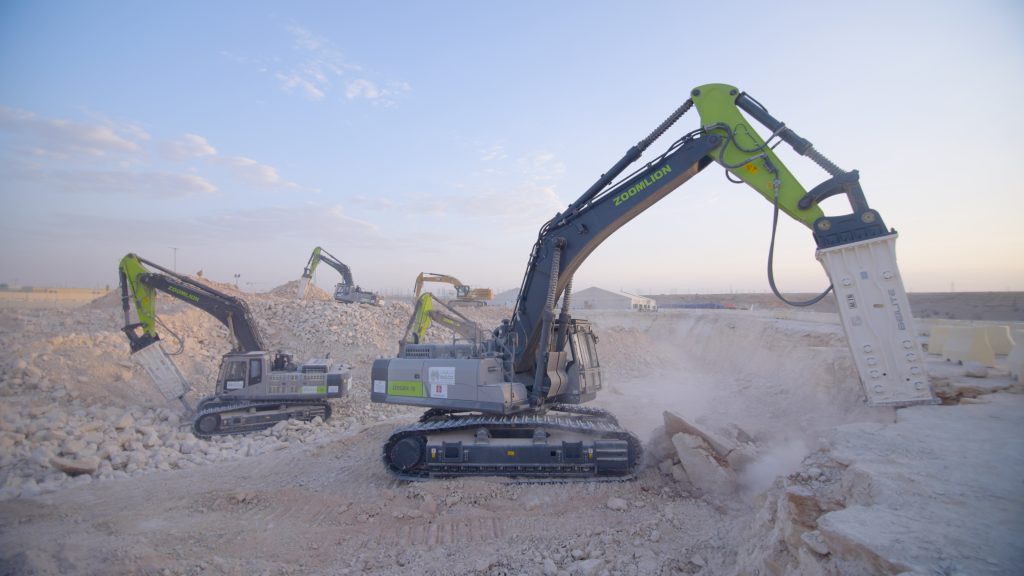
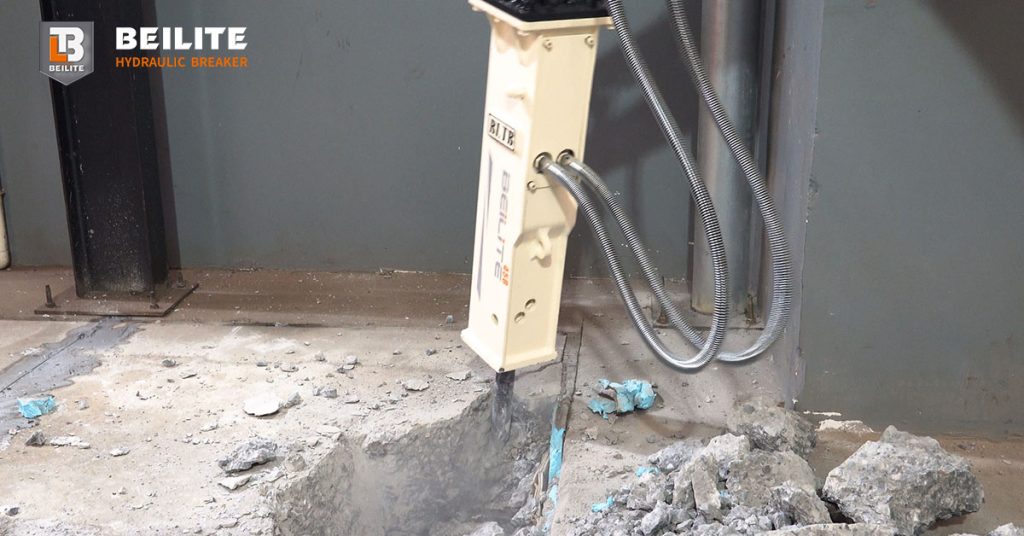
Water pipe installation projects require accurate excavation, controlled rock breaking, and minimal disruption to surrounding infrastructure. Whenever you are working on municipal water networks, irrigation systems, or industrial water pipelines, hydraulic breakers play an essential role to ensure efficient and safe construction.
This complete 2026 guide explains you how to select and use the right hydraulic breaker for water pipe installation, these helping contractors improve productivity while meeting environmental and safety standards.
Why Hydraulic Breakers Are Essential for Water Pipe Installation?
Water pipeline projects often involve shallow trenches, mixed soil conditions, reinforced concrete, and hard rock layers. Hydraulic breakers are preferred because they:
- Provide controlled breaking without blasting
- Reduce damage to existing underground utilities
- Improve precision in narrow trenches
- Minimize vibration near residential and urban areas
Compared to traditional methods, excavator hydraulic breakers offer faster excavation with lower risk.
Common Applications of Hydraulic Hammers in Water Pipeline Projects
Hydraulic breakers are widely used for:
- Trench excavation for water mains
- Breaking asphalt and concrete road surfaces
- Removing rock and compacted soil
- Repair and replacement of aging water pipelines
For urban water pipe installation, low-noise hydraulic breakers are especially important to comply with city regulations.
Choose the Right Hydraulic Breaker for Water Pipe Installation
1. Match Your Hydraulic Breaker to the Excavator
Selecting a hydraulic breaker compatible with your excavator is essential. Key parameters include:
- Excavator operating weight
- Hydraulic oil flow rate
- Operating pressure
For water pipe installation, excavators ranging from 8 to 25 tons are commonly paired with medium-duty hydraulic breakers. Some rocky region required up to 120-ton excavator breakers.
2. Evaluate Your Working Ground and Surface Conditions
Water pipeline routes may pass through:
- Asphalt roads and sidewalks
- Reinforced concrete structures
- Soft soil mixed with rock
For asphalt and concrete, higher impact frequency is preferred. For rocky conditions, choose a heavy-duty hydraulic breaker with higher impact energy.
3. Select the Appropriate Rock Breaker Type
Different hydraulic breaker designs serve different needs:
Side-mounted hydraulic breakers: Ideal for trenching and confined spaces
Top-mounted breakers: Better for continuous rock breaking
Silenced (box-type) breakers: Recommended for urban water pipe projects
Silenced breakers reduce noise and vibration, protecting nearby buildings and underground utilities.
Durability and Maintenance Considerations
Water pipe installation projects often operate in wet and muddy environments. Choose hydraulic breakers that feature:
- High-strength alloy steel housing
- Advanced sealing systems to prevent water and dust ingress
- Heat-treated chisels for longer service life
Regular lubrication and timely replacement of wear parts help maintain consistent performance and reduce downtime.
Power Efficiency and Environmental Impact
Modern hydraulic breakers are designed to balance impact energy and blow frequency, improving fuel efficiency and reducing hydraulic heat buildup.
In 2026, environmental compliance is a major concern. Low-vibration and low-noise hydraulic breakers help contractors meet sustainability goals while improving operator comfort.
Safety and Compliance in Water Pipeline Projects
Safety is critical when working near existing water infrastructure. Reliable hydraulic breakers offer:
- Stable impact control
- Reduced recoil and vibration
- Better visibility for operators
Always ensure that the hydraulic breaker complies with local construction, noise, and environmental regulations.
Summary
Selecting the right hydraulic breaker for water pipe installation directly impacts project efficiency, safety, and long-term costs. By choosing a breaker that matches your excavator, ground conditions, and regulatory requirements, you can ensure smooth and reliable water pipeline construction in 2026 and beyond.
A high-quality hydraulic breaker is not just a tool, it is an investment in performance and durability.
keywords:
Hydraulic breaker for water pipeline, excavator hydraulic hammer, water pipe trench excavation, silenced hydraulic breaker, side-mounted hydraulic breaker, heavy-duty hydraulic breaker
FAQs
1. What size of hydraulic breaker is suitable for water pipe installation?
Most water pipeline projects use hydraulic breakers designed for 8–25-ton excavators, depending on trench depth and ground conditions.
2. Are silenced hydraulic breakers necessary for water pipe projects?
Yes. Silenced hydraulic breakers are highly recommended in urban areas to reduce noise and vibration and comply with environmental regulations.
3. How often should hydraulic breakers be maintained during water pipe installation?
Daily inspection and regular greasing are essential. Wear parts should be checked weekly to prevent unexpected downtime.
Beilite Machinery Co., Ltd.
40008-40008
info@beilite.com